
Custom 375ml Gin Bottles: Flexible Packaging Solutions for…
¿Cómo elegir el corcho adecuado para cada tamaño de botella?
¿Cómo elegir el corcho adecuado para cada tamaño de botella?

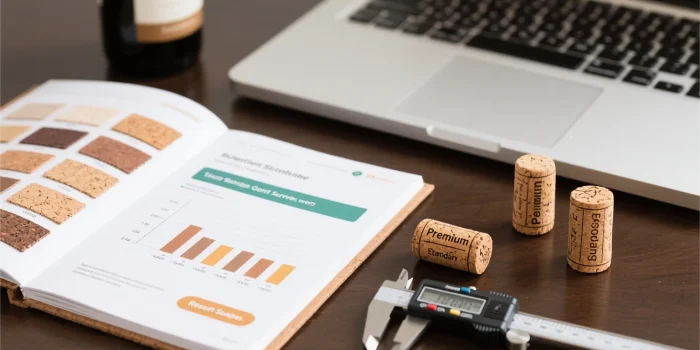
A la hora de embotellar, es muy importante elegir el corcho adecuado. El corcho sella la botella y protege su interior del aire y la contaminación. Elegir el corcho adecuado para los distintos tamaños de botella puede resultar complicado si no se sabe qué buscar. Esta guía le ayudará a comprender cómo elegir el corcho que mejor se adapta al tamaño de su botella, manteniendo su producto fresco y seguro.
Comprender el tamaño de la botella y el diámetro del cuello
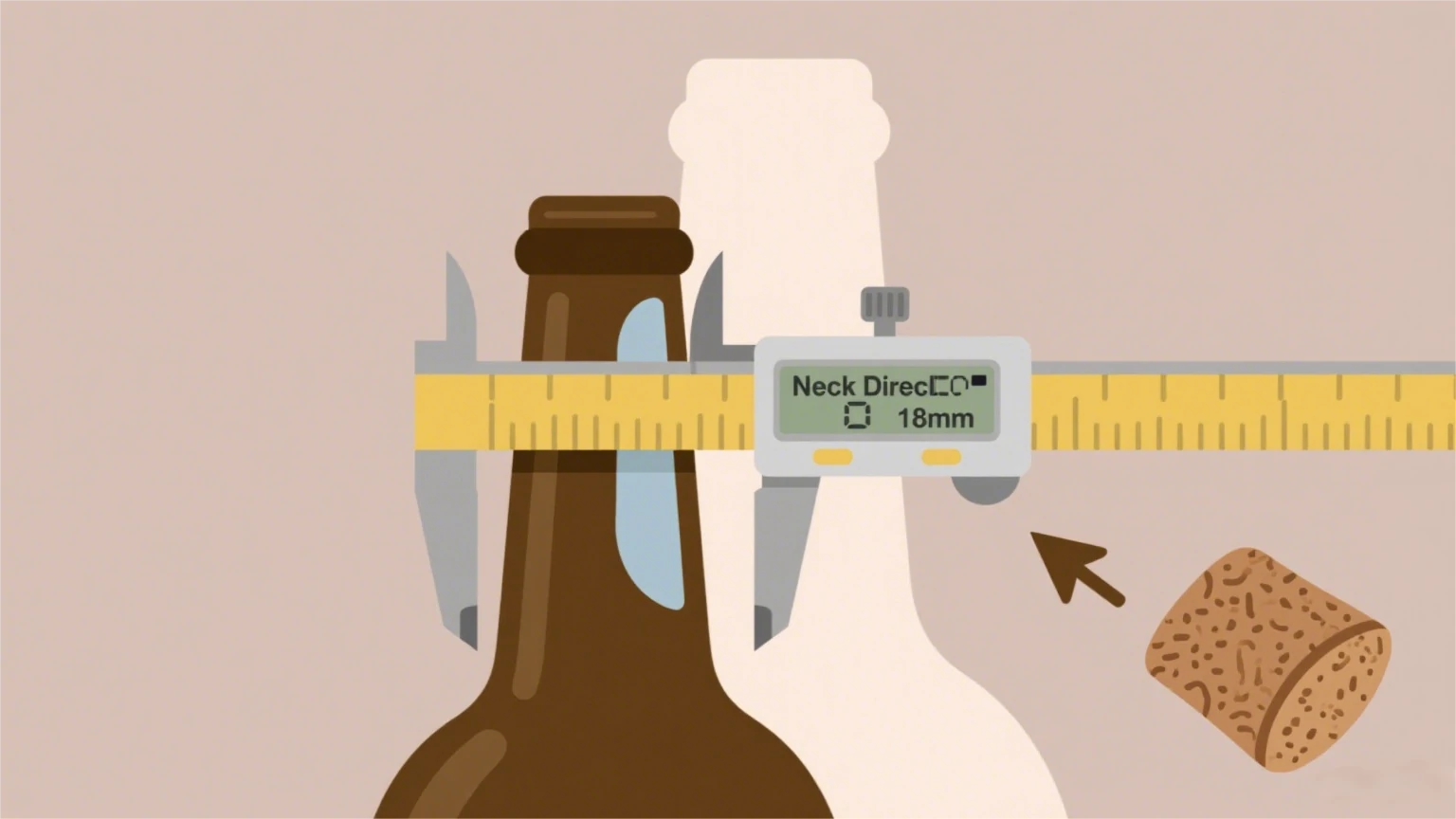
Lo primero que hay que tener en cuenta a la hora de elegir un tapón para botellas de distintos tamaños es el diámetro del cuello de la botella. Las botellas vienen en muchos tamaños y sus cuellos tienen diferentes anchuras. Un corcho que funciona bien para un tamaño de botella puede no servir para otro. Si un corcho es demasiado pequeño, no sellará bien y puede caerse. Si es demasiado grande, puede resultar difícil introducirlo o incluso dañar el cuello de la botella. Medir correctamente el diámetro del cuello ayuda a encontrar el tamaño de corcho adecuado.
Tipos de tapones disponibles
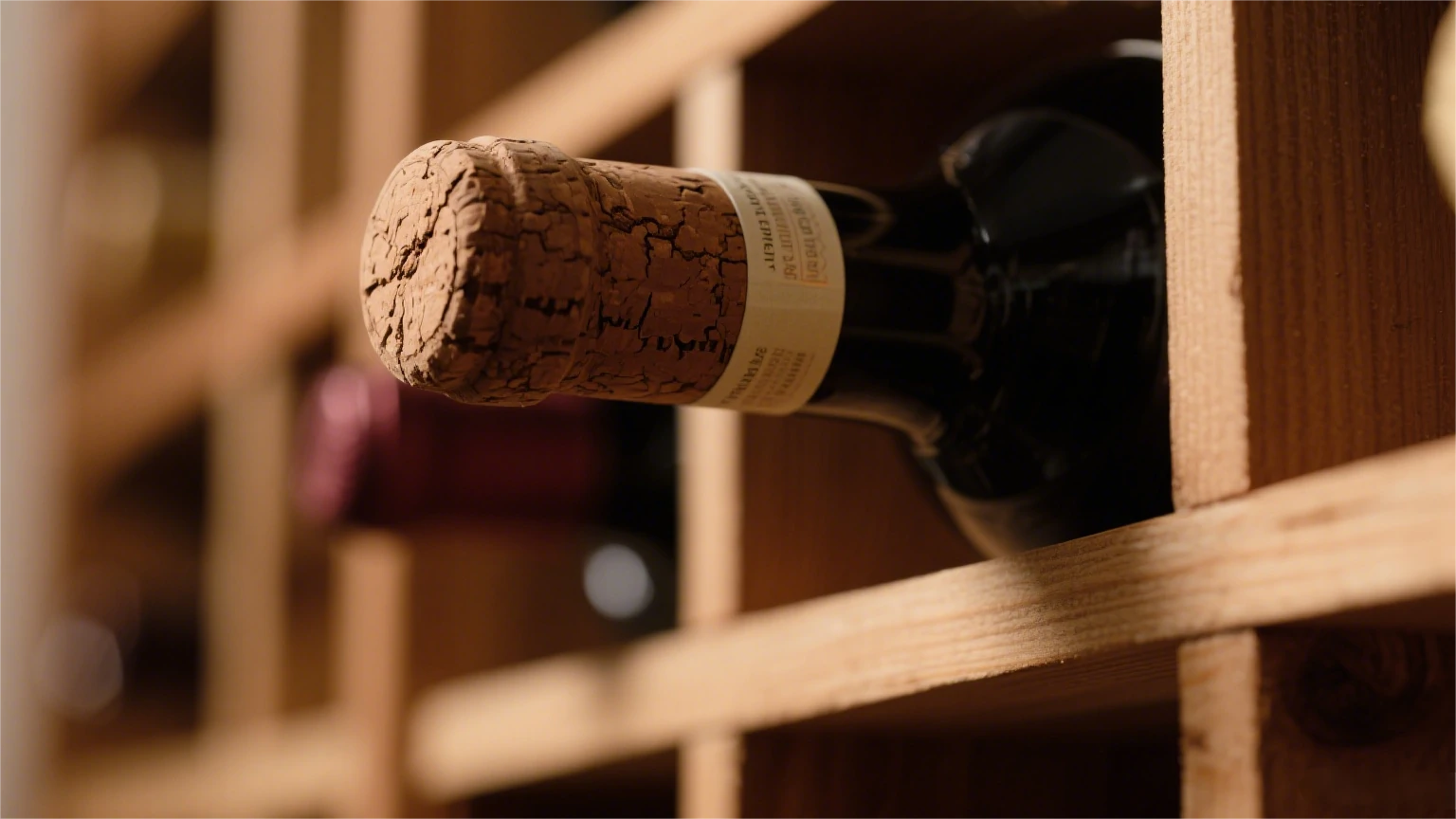
Hay varios tipos de corcho entre los que elegir. Los corchos naturales proceden del alcornoque y tienen una textura única. Se adaptan muy bien y permiten un pequeño intercambio de aire, que algunos vinos necesitan. Los corchos sintéticos están hechos de materiales similares al plástico y son excelentes para un sellado consistente. Los corchos aglomerados se fabrican a partir de trozos de corcho pegados entre sí, normalmente para productos más baratos. La elección del corcho adecuado para los distintos tamaños de botella incluye la adecuación del tipo de corcho al uso y tamaño de la botella.
Importancia de la longitud y el diámetro del corcho
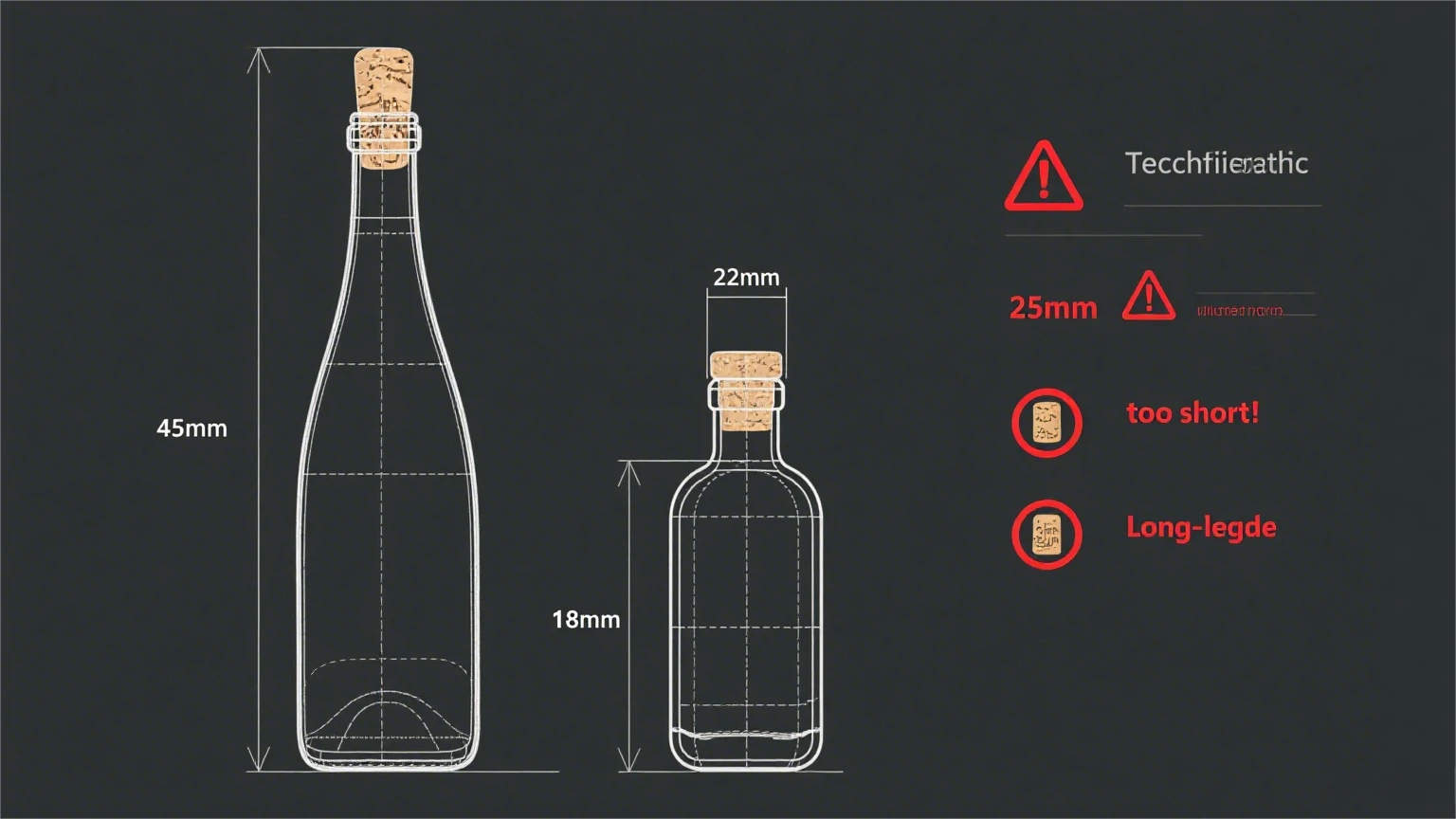
Además de la anchura del cuello, la longitud del tapón es muy importante. Para las botellas más altas, como las de vino estándar, se utilizan corchos más largos para conseguir un cierre seguro. Los corchos más cortos pueden ser adecuados para botellas más pequeñas con cuellos más cortos. Si el corcho es demasiado corto, puede entrar aire y estropear el contenido. Por otro lado, un corcho demasiado largo puede resultar difícil de insertar o extraer. Compruebe siempre la longitud y el diámetro al seleccionar los tapones para sus botellas.
Adaptar los tapones al uso de la botella
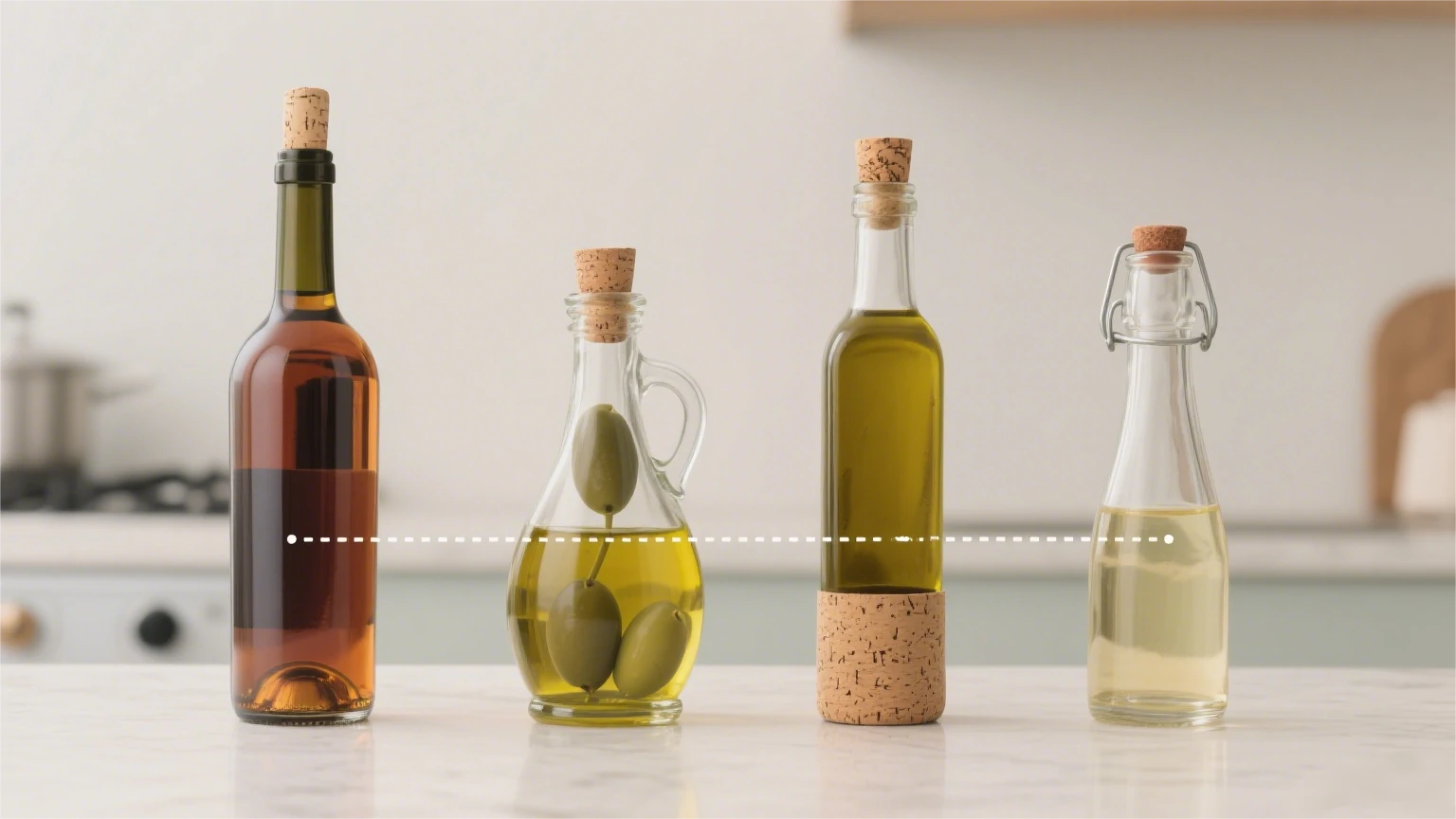
Cada líquido requiere un cuidado especial. Por ejemplo, las botellas de whisky necesitan corchos que cierren herméticamente para detener la evaporación y preservar el sabor. Las botellas de vino pueden necesitar corchos que permitan una pequeña respiración con el tiempo. Si vas a embotellar algo como aceite de oliva o vinagre, los corchos deben ajustarse muy bien para evitar fugas. Saber cómo vas a utilizar la botella te ayudará a elegir el corcho adecuado para cada tamaño.
Sellado y aspecto
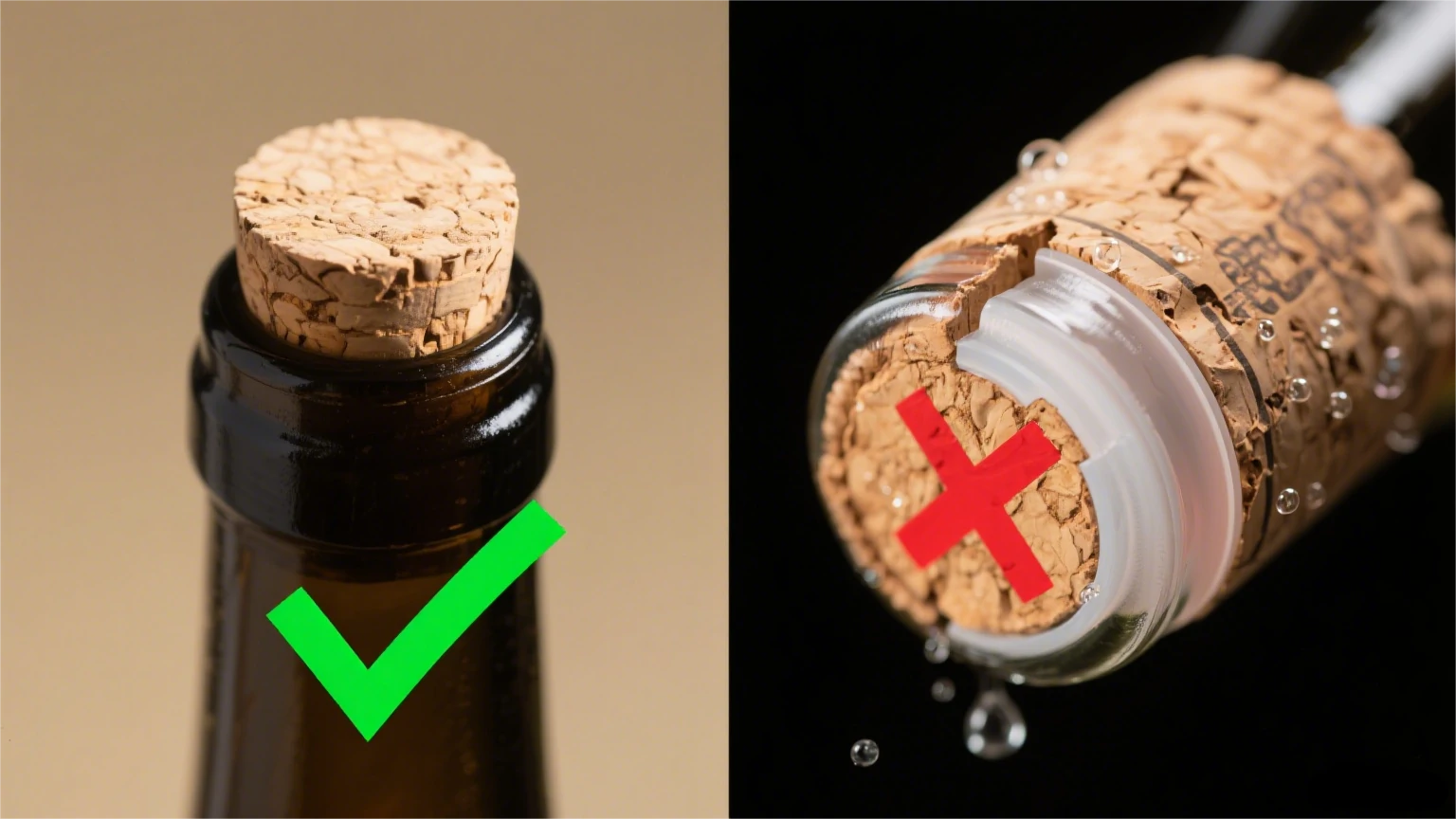
La forma en que se cierra un corcho afecta al aspecto y la seguridad de la botella. Un buen cierre mantiene fresco el líquido e impide la entrada de aire. También evita los derrames durante el transporte. Muchas personas juzgan la calidad de una botella por el corcho que ven en la parte superior. Un corcho limpio y bien colocado tiene un aspecto profesional y añade valor a la botella. Por eso, a la hora de elegir los tapones, piense en cómo encajan y qué aspecto tienen en el tamaño de su botella.
Pruebe su elección de corcho
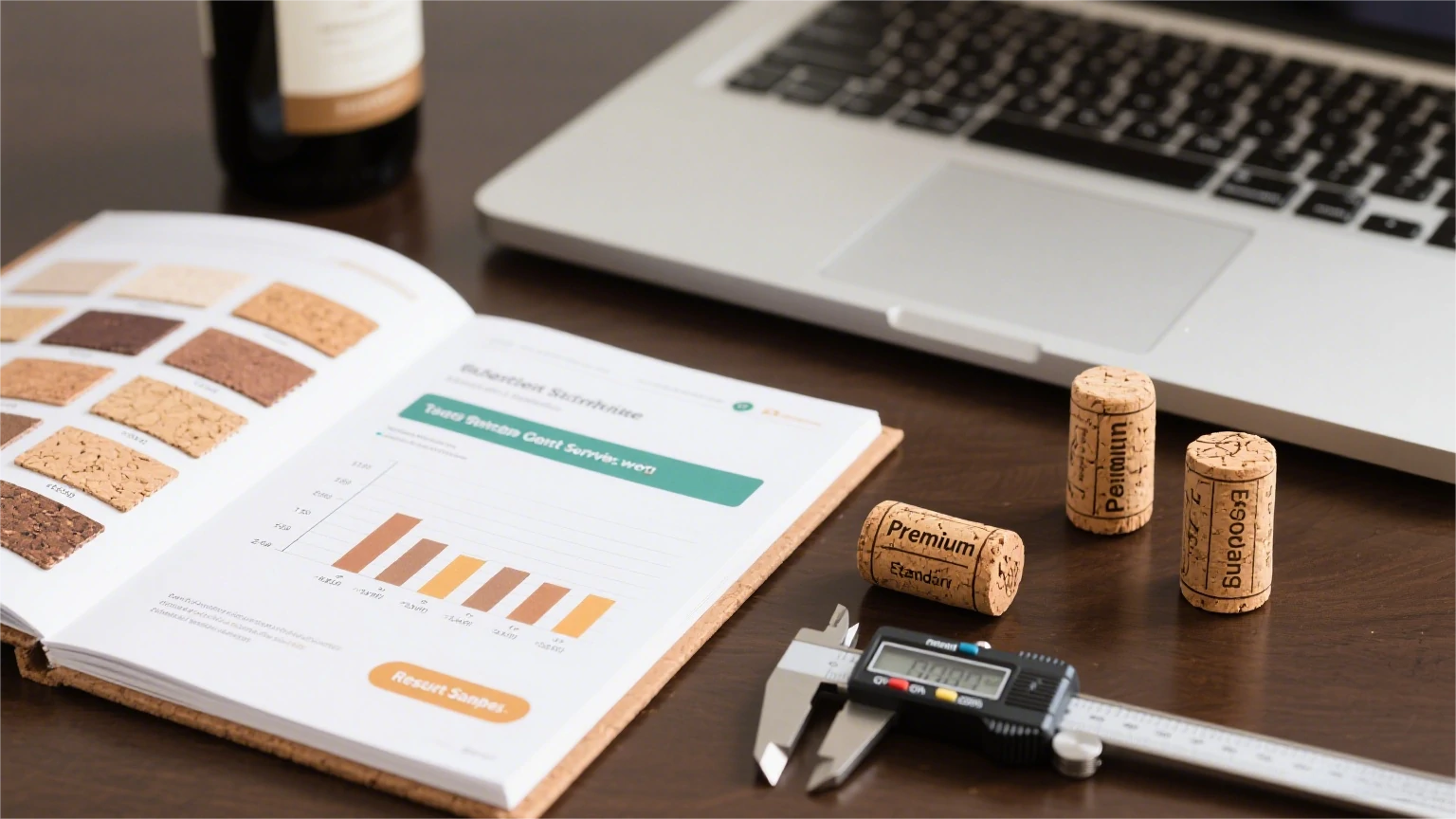
Antes de encargar grandes cantidades de tapones, pruébelos en sus botellas. Pruebe a empujar el corcho hacia dentro y tirar de él hacia fuera. Debe quedar ajustado, pero no demasiado. Además, fíjese si hay grietas o roturas después de insertarlo. Los buenos tapones encajan sin necesidad de forzarlos y se mantienen en su sitio durante la manipulación. Las pruebas ayudan a evitar problemas posteriores con fugas o productos estropeados.
Reflexiones finales sobre la elección de los tapones
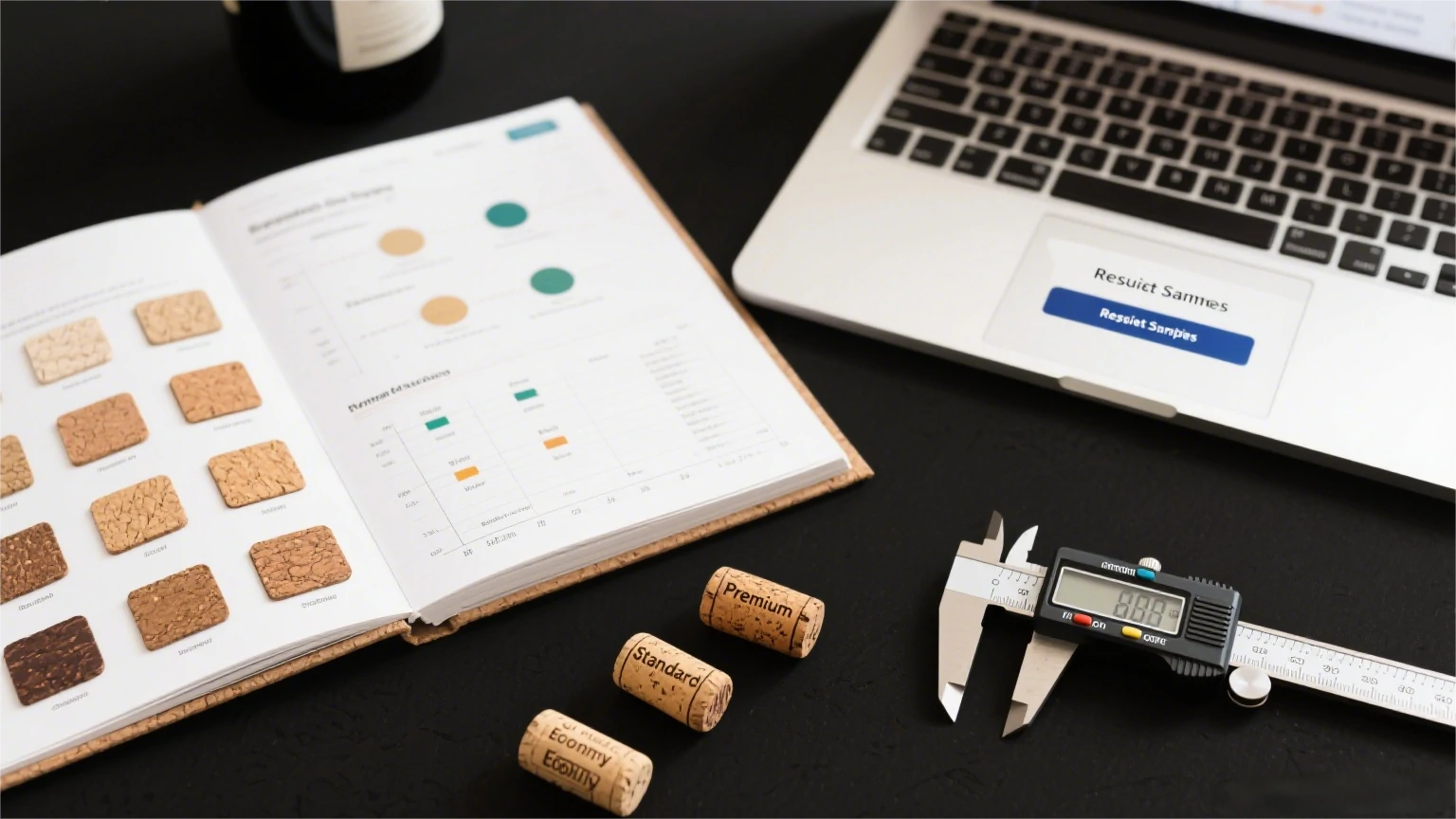
Elegir el corcho adecuado para los diferentes tamaños de botella es clave para garantizar que sus productos embotellados se mantengan frescos y tengan un aspecto atractivo. Preste atención al tamaño del cuello, el tipo de corcho, la longitud y el uso que dará al contenido de la botella. Probar su elección antes de comprar grandes cantidades le ahorrará dinero y problemas. Con el corcho adecuado, sus botellas serán siempre funcionales y bonitas.
Entradas relacionadas
Custom 700ml Vodka Bottles with Embossed Logo -…

Custom 700ml Liquor Bottles - Screen Printing, Frosting…