You love the pure, clean taste of water…
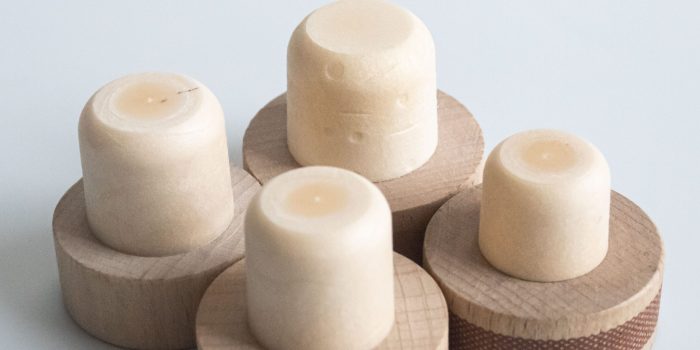
Whiskey Bottle Cork vs Screw Cap: Which Should Distilleries Choose?
Walk into any liquor store and you’ll notice something interesting. The bourbon shelf is dominated by corks—that satisfying “pop” when you open a bottle of Buffalo Trace. But Japanese whiskies like Nikka and Yamazaki confidently sport screw caps, even on premium expressions. So what’s the deal? Does the closure actually matter, or is it all marketing?
Here’s what you need to know.
The Psychology of Cork
There’s something undeniably satisfying about pulling a cork from a whiskey bottle. That gentle resistance, the soft pop—it’s a ritual that signals “this is special.”
And consumers notice. Studies show people rate the same whiskey 18-23% more “authentic” when sealed with cork versus screw cap. In blind tests where participants heard the opening sound, the cork “pop” consistently won. Whiskey Bottle Cork
The psychology is real.
But cork has serious downsides:
-
Cork taint (TCA) can ruin bottles with that musty, wet cardboard smell
-
Drying and crumbling happens when bottles are stored upright (which whiskey should be)
-
Heat problems cause expansion—Texas distillers know bottles can leak or corks can pop off entirely
-
Cost runs $0.20-$0.40 per unit before decorative tops
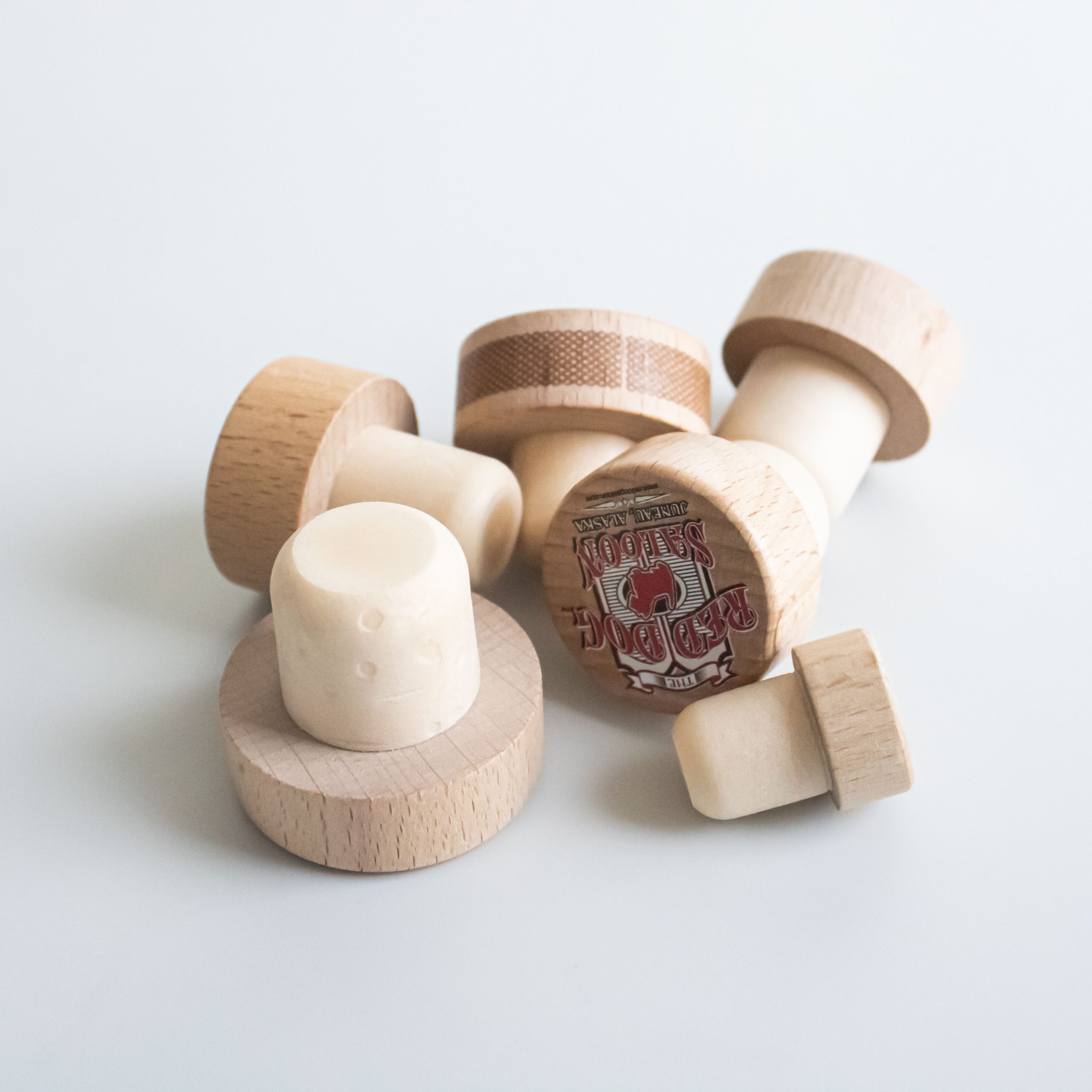 Bottle cork
The Practical Case for Screw Caps
Modern aluminum screw caps provide a hermetic seal that natural cork can’t match. Oxygen transmission? Essentially zero. Leakage rates? Under 0.2% even on long-haul shipping. Bottle Cork
The benefits stack up:
-
Cost: $0.05-$0.10 per unit vs. $0.20-$0.40 for cork
-
Automation: High-speed lines hit 600 bottles per minute
-
Resealing: No struggling to jam a cork back in
-
Reliability: Every seal is identical
Japanese whisky brands have used screw caps for decades. Nikka, Suntory, and others never bought into the “cork equals premium” narrative. Their whiskies? Doing just fine. Whiskey Bottle Cork
In the United States, screw caps still carry baggage. Many consumers associate them with cheap vodka. Is this fair? No. But it’s reality.
Some craft distilleries are fighting this. Bendt Distilling in Texas designed a custom black metal screw cap—heavier weight, premium feel. They’re betting quality design can overcome prejudice. Whiskey Bottle Cork
What the Science Says
Here’s the thing—whiskey doesn’t age in the bottle. All the magic happens in the barrel. Once bottled, whiskey is preserved, not developed. That “micro-oxygenation” benefit of cork? Largely irrelevant for spirits versus wine.
Long-term storage is where screw caps have a hidden issue. The plastic liner can degrade over time when exposed to high-proof alcohol. After 10-15 years, the seal might fail. Cork, despite its issues, has proven longevity in proper conditions.
Flavor impact: Multiple studies found no significant difference between identical spirits stored under cork vs. screw cap for 1-5 years.
Bottom line: For spirits consumed within a few years, screw caps are arguably superior. For collector’s items meant to sit for decades? Cork might be safer. Whiskey Bottle Cork
Making Your Decision
Choose Cork If:
-
Target market values tradition (gift buyers, special occasions)
-
Positioning as ultra-premium ($75+ retail)
-
Distribution is domestic and climate-controlled
-
Brand storytelling around craftsmanship is central
Choose Screw Caps If:
-
Export-focused or hot climate distribution
-
Cost efficiency is critical
-
Targeting younger, convenience-oriented consumers
-
High-speed automated production
-
Want to challenge category norms
The Middle Ground:
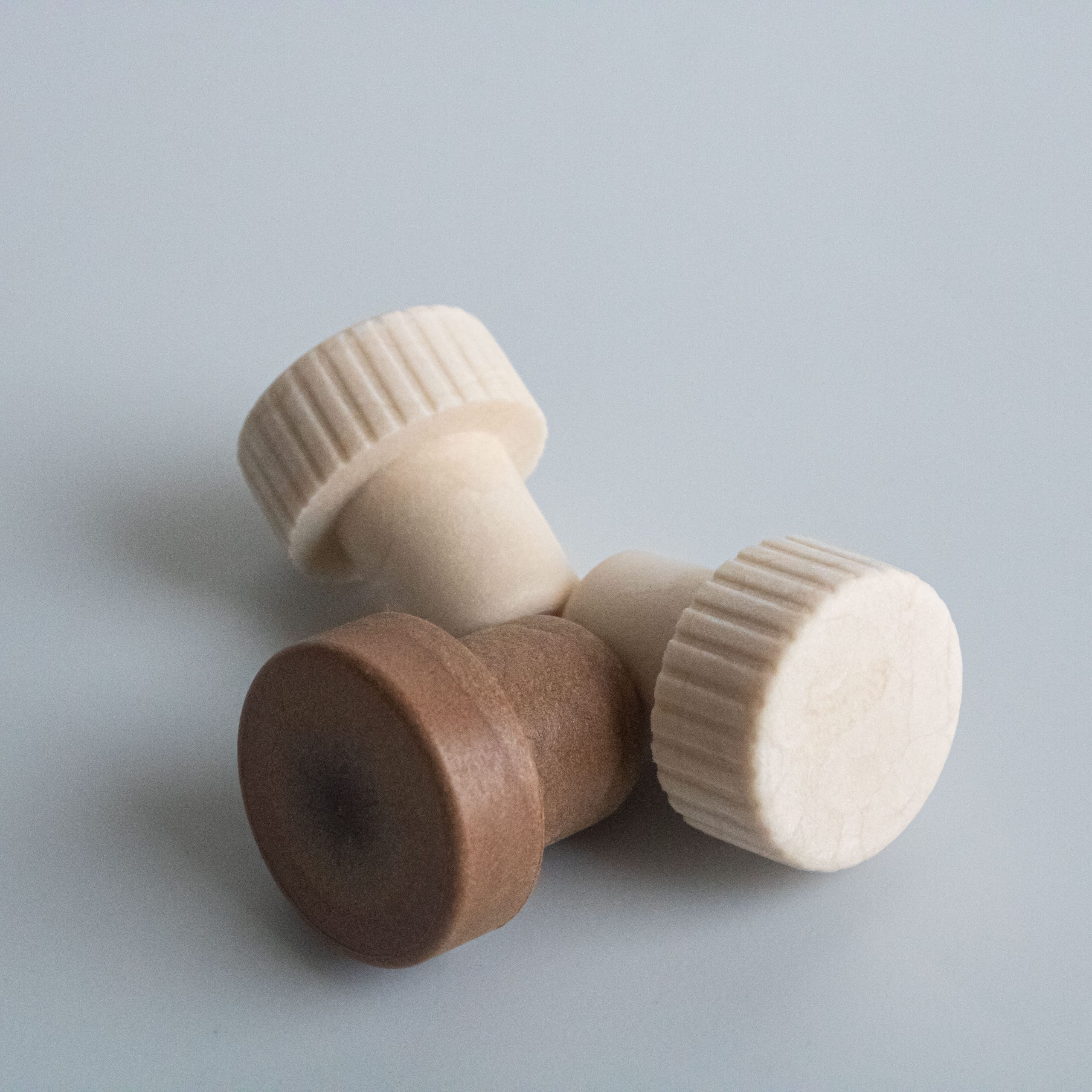
Synthetic corks ($0.10-$0.20) avoid TCA risk and don’t dry out. Bar top closures (cork with decorative caps) give premium look with better function. Hybrid designs—cork tops with aluminum collars—are gaining traction.
The Bottom Line
There’s no universal “right” answer. A great whiskey in a screw-cap bottle beats mediocre whiskey with a fancy cork every time. But in a market where perception drives purchases, ignoring packaging psychology would be naive.
Know your audience. Selling $150 limited editions to collectors? Cork makes sense. Building a brand around everyday drinking? A well-designed screw cap might be a differentiator.
Whatever you choose, own it. Don’t apologize for a screw cap—educate your customers on why you made that choice. Consumers respect transparency more than blind adherence to tradition. Whiskey Bottle Cork
FAQ
Does cork affect whiskey flavor? Not significantly. The bigger risk is cork taint (TCA contamination), which can ruin a bottle entirely.
Are screw caps only for cheap whiskey? No. Japanese whisky brands have used screw caps on premium expressions for decades. The perception is cultural.
What’s the most cost-effective closure? Aluminum screw caps at $0.05-$0.10 per unit. Synthetic corks ($0.10-$0.20) offer a middle ground.
Can screw caps fail over time? Yes, after 10-15 years, the plastic liner can degrade. For spirits consumed within 5-10 years, this isn’t a concern.
Articles connexes