Pallet o cartone: qual è la soluzione più economica per la spedizione…
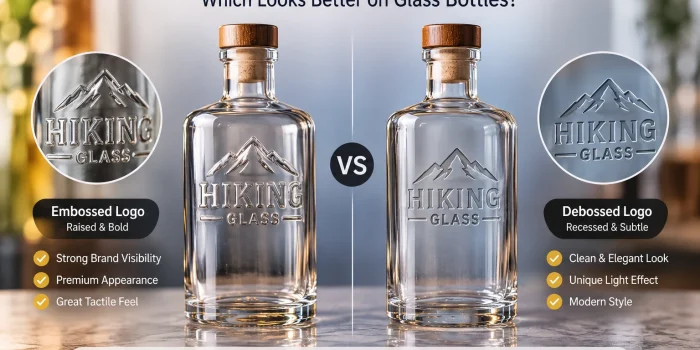
Embossed vs. Debossed Logos: Which Looks Better on Glass Bottles?
A glass bottle is more than just packaging. It is also an important part of a brand’s identity. The shape, color, weight, and surface details all influence how customers see a product. Among these details, the logo plays a special role.
Some brands prefer a raised logo that customers can feel with their fingers. Others choose a recessed design that creates a subtle and elegant appearance. These two techniques are known as embossing and debossing. But which one looks better on a glass bottle?
There is no single answer. Both techniques can create attractive results. The right choice depends on your brand style, bottle design, production requirements, and target market. In this guide, we will explain the differences and help you choose the right option for your next custom glass bottle project.
What Is an Embossed Logo on a Glass Bottle?
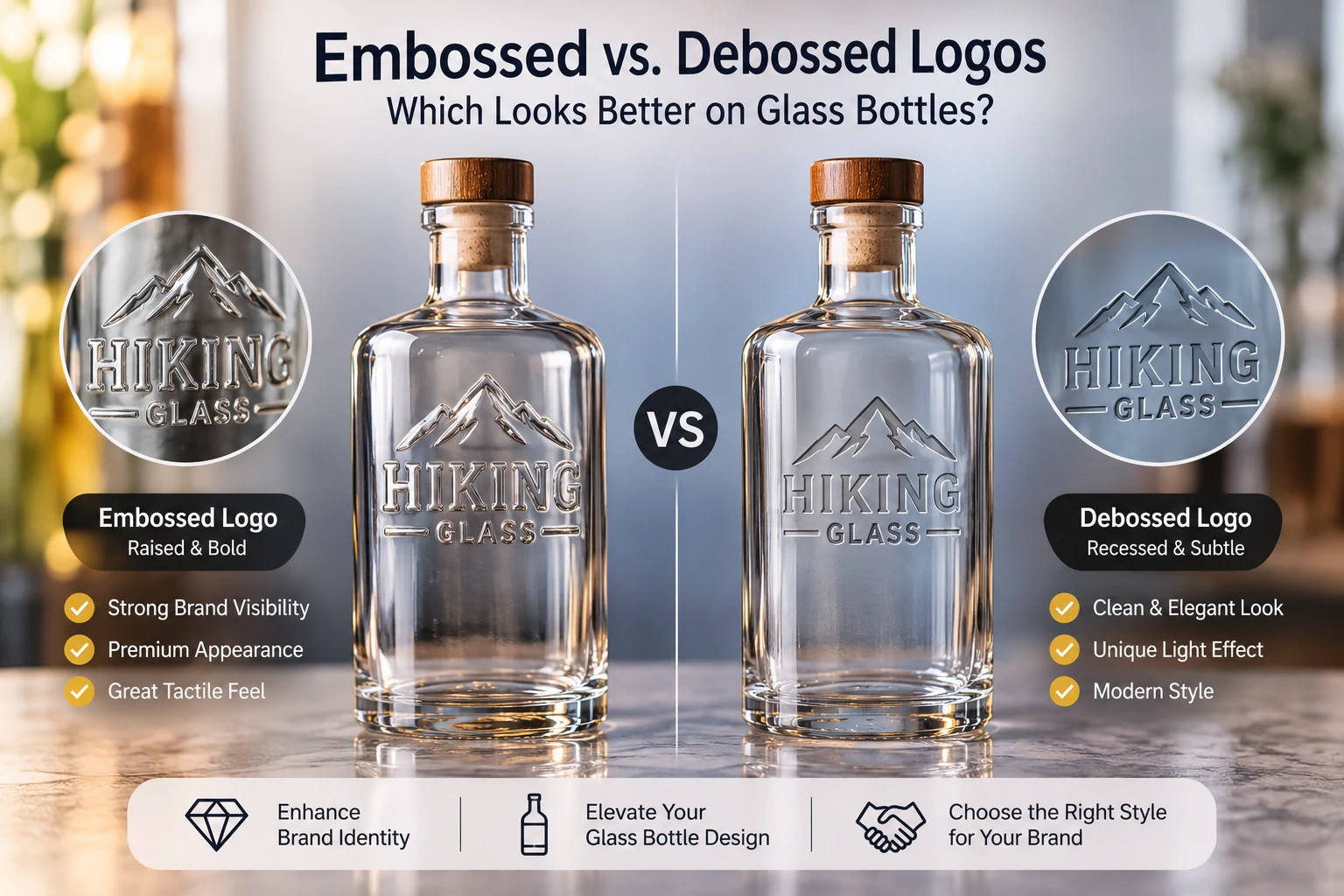
An embossed logo is a design that stands out from the surrounding glass surface. The letters, symbols, or patterns appear raised. This creates a three-dimensional effect that is easy to see and feel.
Embossing is usually achieved through specially designed bottle molds. During production, molten glass enters the mold and takes its shape. The logo details are formed directly on the bottle surface. This means the logo becomes part of the glass itself rather than an additional printed decoration.
Embossed logos are popular in the spirits, wine, and premium beverage industries. They can make a bottle look more distinctive and recognizable. For brands that want a strong visual identity, this technique is worth considering.
Main Advantages of Embossed Logos
- Strong Brand Visibility
Raised letters and patterns can catch light from different angles. This helps the logo stand out on the shelf. It is especially useful for brands with distinctive symbols or lettering.
- Premium Appearance
Embossed details often give a bottle a luxurious and substantial look. Many premium whiskey and gin brands use raised glass details to create a more traditional appearance.
- Better Tactile Experience
Customers can feel the logo when holding the bottle. This small detail adds another layer to the packaging experience. It can make the product feel more carefully designed.
- Long-Lasting Branding
Because the logo is formed directly in the glass, it will not peel or fade like some surface decorations. It can remain visible throughout the bottle’s useful life.
What Is a Debossed Logo on a Glass Bottle?
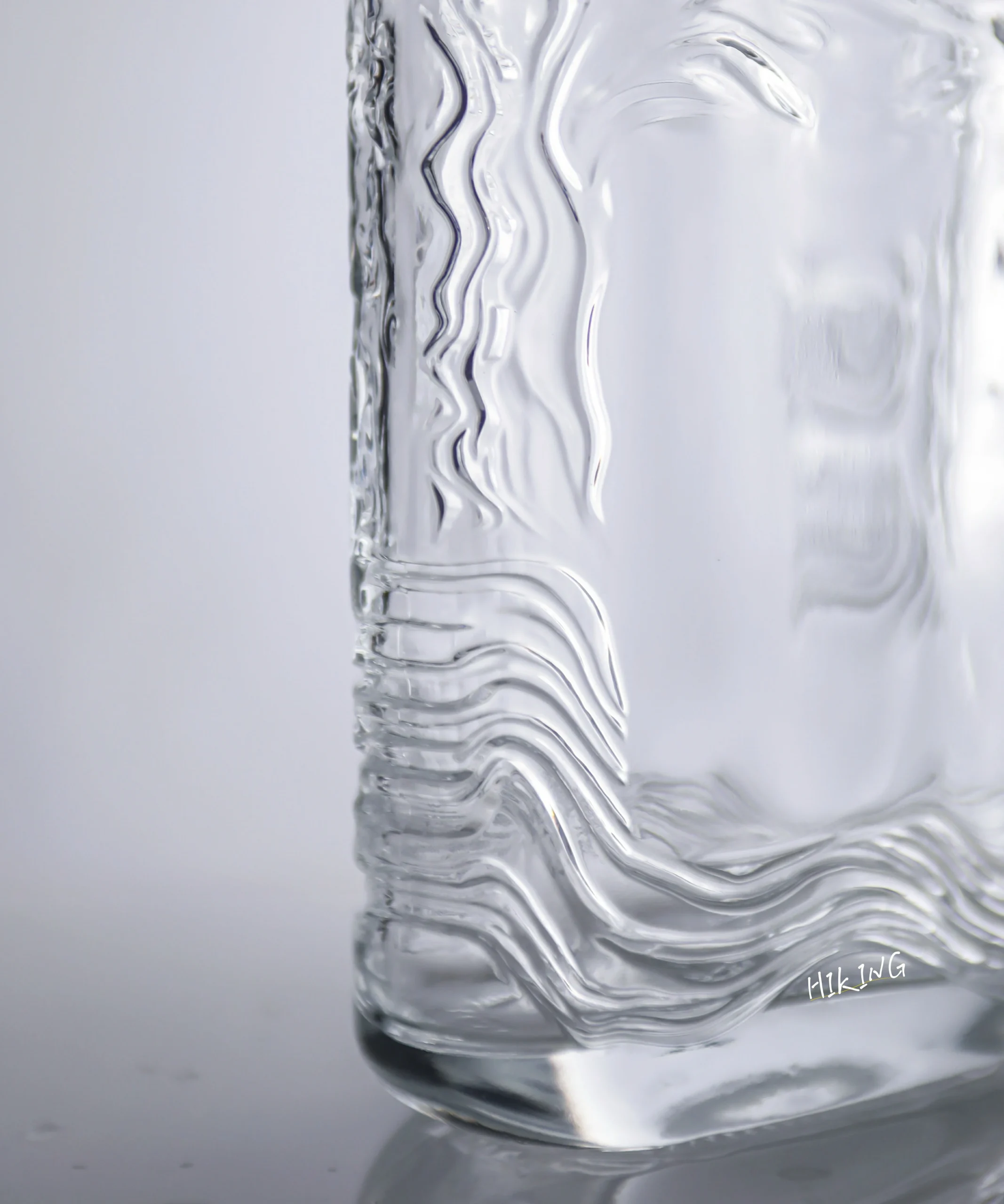
A debossed logo is the opposite of an embossed logo. Instead of standing out, the design is pressed inward into the glass surface. The result is a recessed logo with a subtle three-dimensional effect.
Like embossing, debossing is normally created during bottle molding. The mold contains the required logo details. When the glass takes shape, the logo appears as an indentation on the finished bottle.
Debossed logos are often chosen by brands that prefer a clean and understated design. They work particularly well with minimalist packaging. They can also create an elegant contrast between the recessed logo and the surrounding glass.
Main Advantages of Debossed Logos
- Clean and Subtle Appearance
A recessed logo does not dominate the bottle design. It blends naturally with the glass surface. This is ideal for brands that prefer a refined and simple look.
- Interesting Light and Shadow Effects
The recessed areas create natural shadows. When light passes across the bottle, the logo becomes visible from different angles. This can add depth without making the design too complicated.
- Suitable for Minimalist Branding
Many modern brands prefer simple shapes and clean typography. Debossed details can support this visual direction. They help create a premium appearance without excessive decoration.
- Good Design Flexibility
Debossing can be used for brand names, small symbols, decorative lines, and other details. However, the final result depends on the size and complexity of the design.
Embossed vs. Debossed Logos: Key Differences
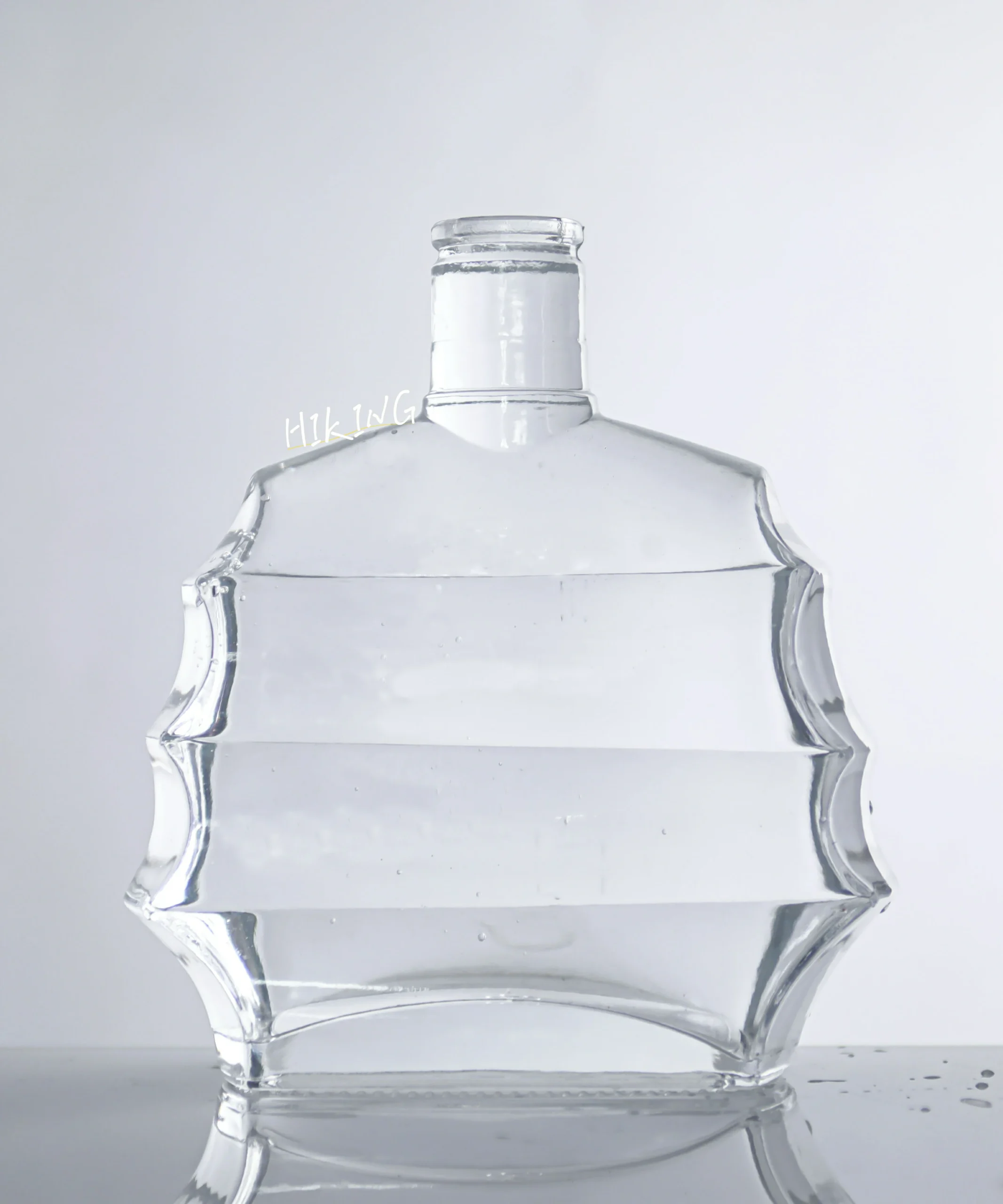
Both techniques are made through glass molding, but their visual effects are different. Understanding these differences can help you make a better decision.
| Comparison | Logo in rilievo | Debossed Logo |
|---|---|---|
| Surface effect | Raised outward | Recessed inward |
| Visual style | Bold and noticeable | Subtle and refined |
| Touch experience | Raised texture | Indented texture |
| Light effect | Highlights raised areas | Creates shadows |
| Brand impression | Strong and traditional | Clean and modern |
| Common applications | Whiskey, rum, gin | Vodka, gin, premium spirits |
| Production method | Custom bottle mold | Custom bottle mold |
Neither option is automatically better. An embossed logo may be more suitable for a traditional whiskey brand. A debossed logo may work better for a modern vodka brand.
The most important thing is to make sure the logo matches the bottle shape. A well-designed bottle should look balanced from every angle. The logo should support the overall design rather than compete with it.
Which Logo Style Looks Better on Glass Bottles?
The answer depends on the impression you want to create. Different beverage brands have different packaging goals. A traditional spirits brand may want a strong and recognizable bottle. A contemporary brand may prefer a more understated design.
When to Choose Embossed Logos
Embossed logos are a good choice when you want your brand name to stand out. They work particularly well on bottles with large front panels or broad shoulders. The raised details can make a simple bottle shape look more distinctive.
For whiskey, bourbon, rum, and craft gin, embossing can create a strong connection with traditional craftsmanship. It also works well with heavy-base bottles and thick glass designs. If your brand uses a detailed emblem or large lettering, embossing may be worth exploring.
When to Choose Debossed Logos
Debossed logos are suitable for brands that prefer a more restrained appearance. They work well with clean bottle shapes and minimalist labels. The recessed design can add detail without making the bottle look crowded.
For premium vodka, contemporary gin, and specialty spirits, debossing can create a sophisticated effect. It is also a good option when you want the glass itself to remain the main visual feature.
Can You Combine Both Techniques?
Yes. Some custom glass bottle designs combine embossed and debossed details. For example, a brand name may be embossed while a decorative border is debossed. This creates contrast and makes the bottle more visually interesting.
However, combining both techniques requires careful design work. Too many surface details can make the bottle look complicated. A balanced design usually produces a better result.
What Should You Consider Before Customizing a Glass Bottle Logo?
Choosing between embossed and debossed logos is only the first step. Several technical factors should be considered before starting production.
Logo Size and Letter Thickness
Small letters and thin lines can be difficult to reproduce clearly in glass. Very fine details may become less visible after molding. It is better to use clear lettering and suitable line thicknesses.
For complex logos, our engineering team should review the artwork before mold development. This helps identify details that may need adjustment.
Bottle Shape and Surface Area
The bottle’s shape affects how the logo looks. A flat front panel usually provides a good area for branding. Curved surfaces may create visual distortion, especially for wide lettering.
The shoulder, body, and bottom of the bottle can all be considered. The final logo position should match the bottle’s overall proportions.
Glass Thickness and Weight
The available glass thickness also matters. Raised or recessed details need sufficient material around them. The design should not create unnecessary weak areas or affect the bottle’s structural performance.
Our technical team can assess the relationship between logo depth, bottle wall thickness, and overall design. This is particularly important for heavy glass liquor bottles.
Mold Design and Production Cost
Both embossing and debossing generally require customized molds when the logo is formed directly in the glass. Mold cost depends on the bottle structure, logo complexity, and manufacturing requirements.
A simple logo is usually easier to develop than one with many small details. If you are working with a limited budget, consider using a simpler design. This can help control development costs and reduce unnecessary adjustments.
Compatibility with Other Decorations
Embossed and debossed logos can be combined with other decoration methods. These may include screen printing, frosting, spraying, and hot stamping. The right combination can make a bottle more distinctive.
For example, a raised logo on a frosted bottle can create an attractive contrast. A recessed logo combined with screen printing can also produce a modern appearance.
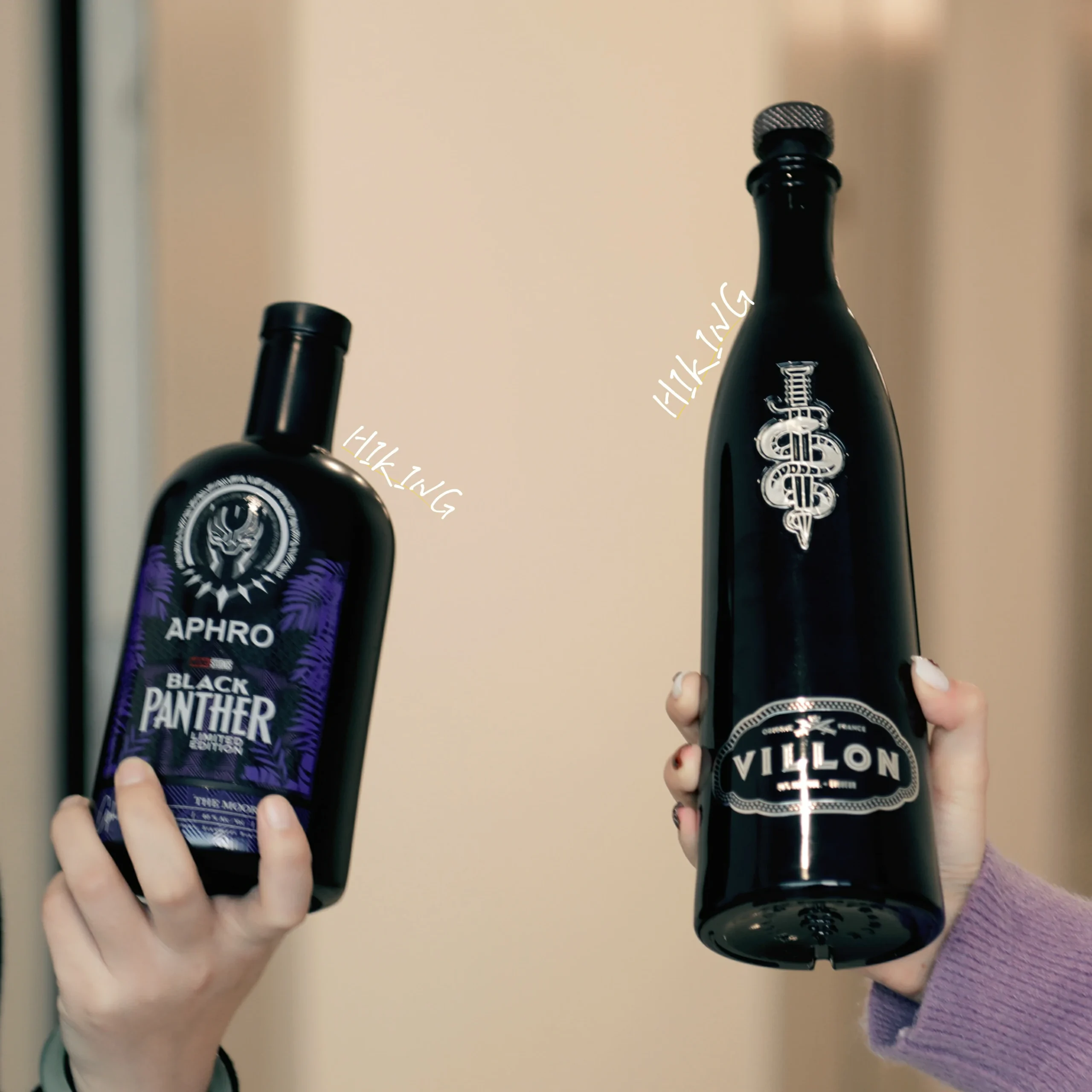
Embossed and Debossed Logos for Different Spirits Bottles
Different beverage categories have different packaging styles. The logo design should reflect the product’s positioning and target customers.
Whiskey Bottles
Embossed logos are a popular option for whiskey bottles. Raised brand names and decorative patterns can create a classic, premium appearance. They work especially well with thick glass and heavy bases.
Bottiglie di vodka
Debossed logos can be a good match for vodka bottles. They support clean lines and simple packaging. Transparent glass and subtle recessed details can create a sophisticated look.
Bottiglie di gin
Both techniques work well for gin bottles. Embossing can highlight a botanical emblem or brand name. Debossing is suitable for contemporary gin brands with minimalist designs.
Rum Bottles
Rum packaging often uses distinctive shapes and decorative details. Embossed logos can reinforce a traditional and handcrafted image. Debossed patterns can also work well for modern rum products.
For brands developing xxx glass bottle packaging, the best approach is to consider the product category, market positioning, and desired customer experience together.
How to Develop a Custom Embossed or Debossed Glass Bottle
A successful custom bottle project requires cooperation between the brand owner and the manufacturer. Good preparation can save time and reduce design changes.
Step 1: Share Your Bottle Requirements
Provide the manufacturer with the bottle capacity, dimensions, glass color, and target weight. If you have reference bottles, photos are also helpful.
Step 2: Provide Your Logo Artwork
Vector files such as AI, CDR, or EPS are preferred. They help the design team understand the exact logo proportions. If only a JPG or PNG file is available, the artwork may need to be converted.
Step 3: Confirm the Embossing or Debossing Design
Discuss the logo position, size, depth, and lettering thickness. The manufacturer can review whether the design is suitable for glass molding.
Step 4: Review the 3D Design
A 3D drawing helps you understand how the logo will appear on the bottle. Check the front, side, and overall proportions before approving the design.
Step 5: Develop the Mold and Test Samples
After design approval, the manufacturer can proceed with mold development. Sample bottles should be checked for logo clarity, surface quality, and overall appearance.
Step 6: Confirm Mass Production
Once the sample is approved, production can move forward. Quality checks should include the logo details, bottle dimensions, appearance, and packaging condition.
Why Work with an Experienced Custom Glass Bottle Manufacturer?
Custom glass bottle branding requires more than attractive artwork. The design must also be suitable for actual glass production. An experienced manufacturer can help turn your concept into a practical bottle design.
At Hiking Glass, we work with beverage brands, distilleries, and packaging buyers on custom glass bottle projects. We can assist with bottle shapes, capacities, glass colors, mold development, and surface decoration.
Whether you prefer an embossed logo or a debossed design, our team can review your artwork and discuss possible production solutions. We understand that every brand has different packaging requirements. Our goal is to help you create a bottle that reflects your brand identity while meeting practical production needs.
If you are planning a new glass bottle project, contact our team to discuss your design, quantity, and customization requirements, contact Hiking Glass.
Conclusion: Embossed or Debossed – Which One Should You Choose?
Embossed and debossed logos both offer attractive ways to customize glass bottles. Embossing creates a raised and noticeable effect. Debossing provides a more subtle and refined appearance.
If your brand wants a bold identity and a strong tactile experience, embossed details may be the better choice. If you prefer a clean and modern design, debossing may be more suitable.
There is no universal winner. The best option is the one that fits your bottle shape, brand positioning, and production requirements. Before making a final decision, discuss your artwork with an experienced glass bottle manufacturer. A well-planned logo can turn ordinary packaging into a memorable brand asset.
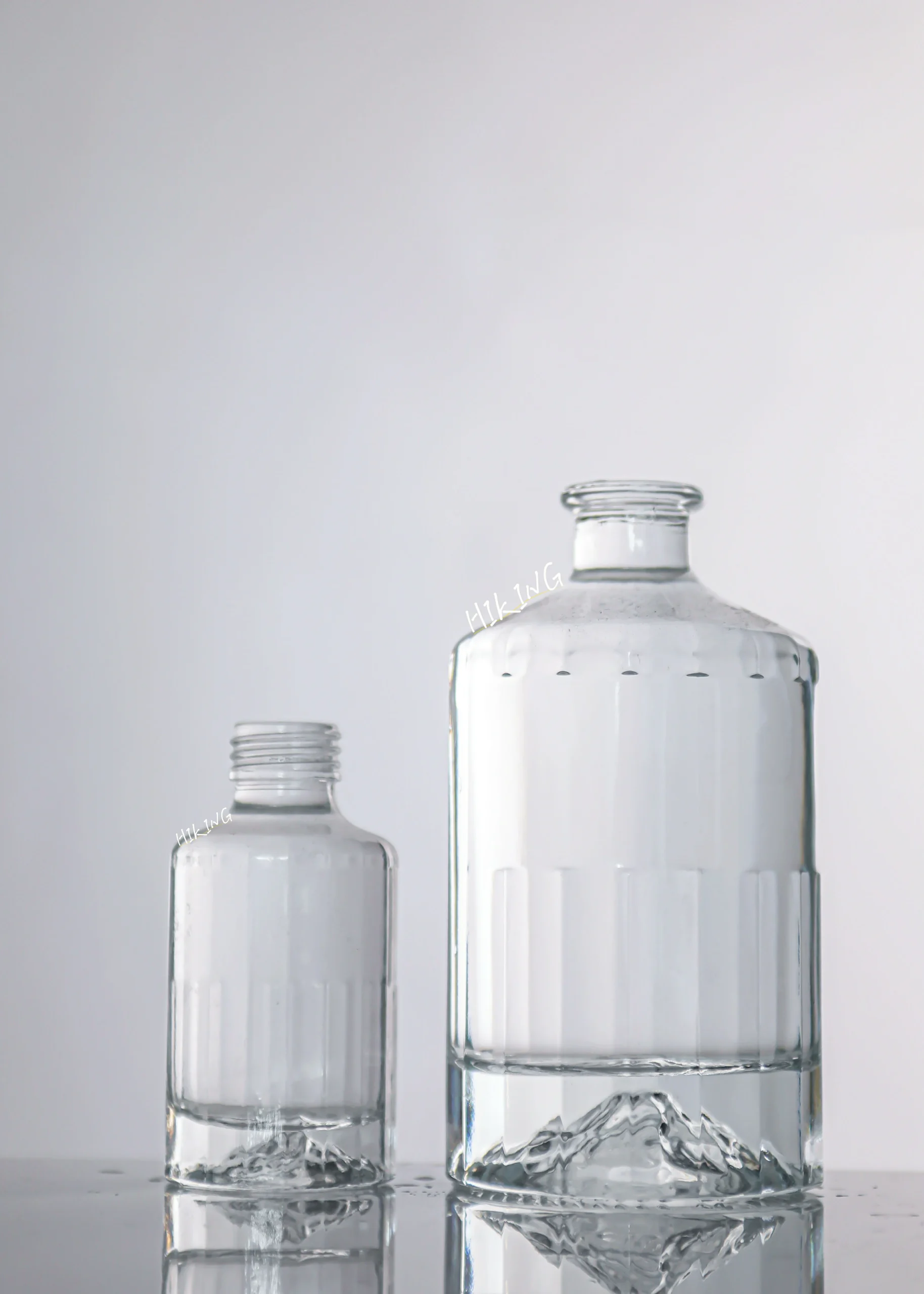
Domande frequenti (FAQ)
- What is the main difference between embossed and debossed glass bottles?
An embossed logo is raised above the glass surface, while a debossed logo is recessed into the glass. Both techniques are generally created during the bottle molding process.
- Are embossed logos more expensive than debossed logos?
Not necessarily. Both usually require customized molds when applied directly to the glass. The actual cost depends on the mold structure, logo complexity, and production requirements.
- Can embossed and debossed logos be used on the same glass bottle?
Yes. Both techniques can be combined in one design. For example, the brand name can be embossed while decorative patterns are debossed. However, the design should remain balanced and practical for manufacturing.
- Do embossed logos fade or disappear over time?
No. Since the logo is formed directly in the glass, it does not peel or fade like printed decoration. Normal handling and washing will not remove the molded details.
- Can I add an embossed logo to an existing glass bottle?
Usually, adding a molded embossed logo requires a customized bottle mold. It cannot simply be added to a finished bottle through ordinary printing. Alternative surface decoration methods may be considered if you do not want to develop a new mold.
- Which is better for whiskey bottles, embossed or debossed logos?
Embossed logos are commonly used for whiskey bottles because they create a strong and traditional appearance. However, debossed details can also work well for modern whiskey brands. The best choice depends on the overall packaging design.
- What logo file format should I provide for custom glass bottle production?
Vector files such as AI, CDR, and EPS are preferred. These formats allow the manufacturer to review logo proportions and prepare the design for mold development. High-resolution PDF files may also be useful.
- Can I combine an embossed logo with frosting or screen printing?
Yes. Embossed and debossed details can be combined with frosting, screen printing, spraying, and other decoration methods. The final process should be evaluated based on the bottle design and production requirements.
- Is there a minimum order quantity for custom embossed glass bottles?
MOQ depends on the bottle design, mold investment, and factory production arrangement. Custom bottles generally require more planning than standard stock bottles. Contact the manufacturer to discuss your project and expected order quantity.
- How do I choose the right logo design for my custom glass bottle?
Start with your brand positioning and target market. Then consider the bottle shape, logo size, glass thickness, and decoration requirements. A professional glass bottle manufacturer can help evaluate whether your design is suitable for production.
Messaggi correlati