Para muitas marcas novas, não ter um design detalhado…
What to Look for When Visiting a Spirits Bottle Supplier in China
In recent years, China has developed into a major source for glass goods. Correct selection of a Spirits Bottle Supplier is essential for any distillery or spirit brand. Ideally the manufacturer will provide good quality, bespoke options, cost effective solutions and efficient service.
Before visiting a spirits bottle manufacturer, you should carefully evaluate several key areas. These include assessment of the goods, production facilities, quality assurance and logistics.
Assess your spirits bottle manufacturer’s manufacturing facilities
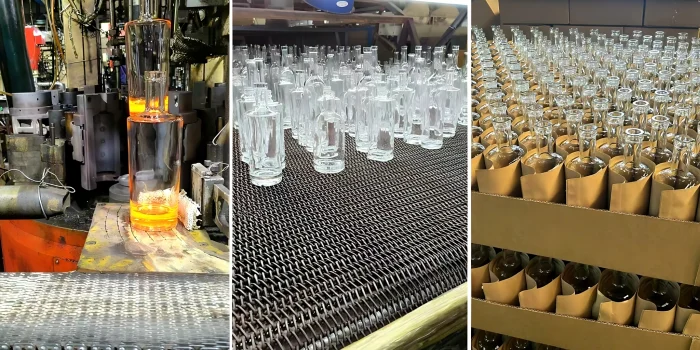
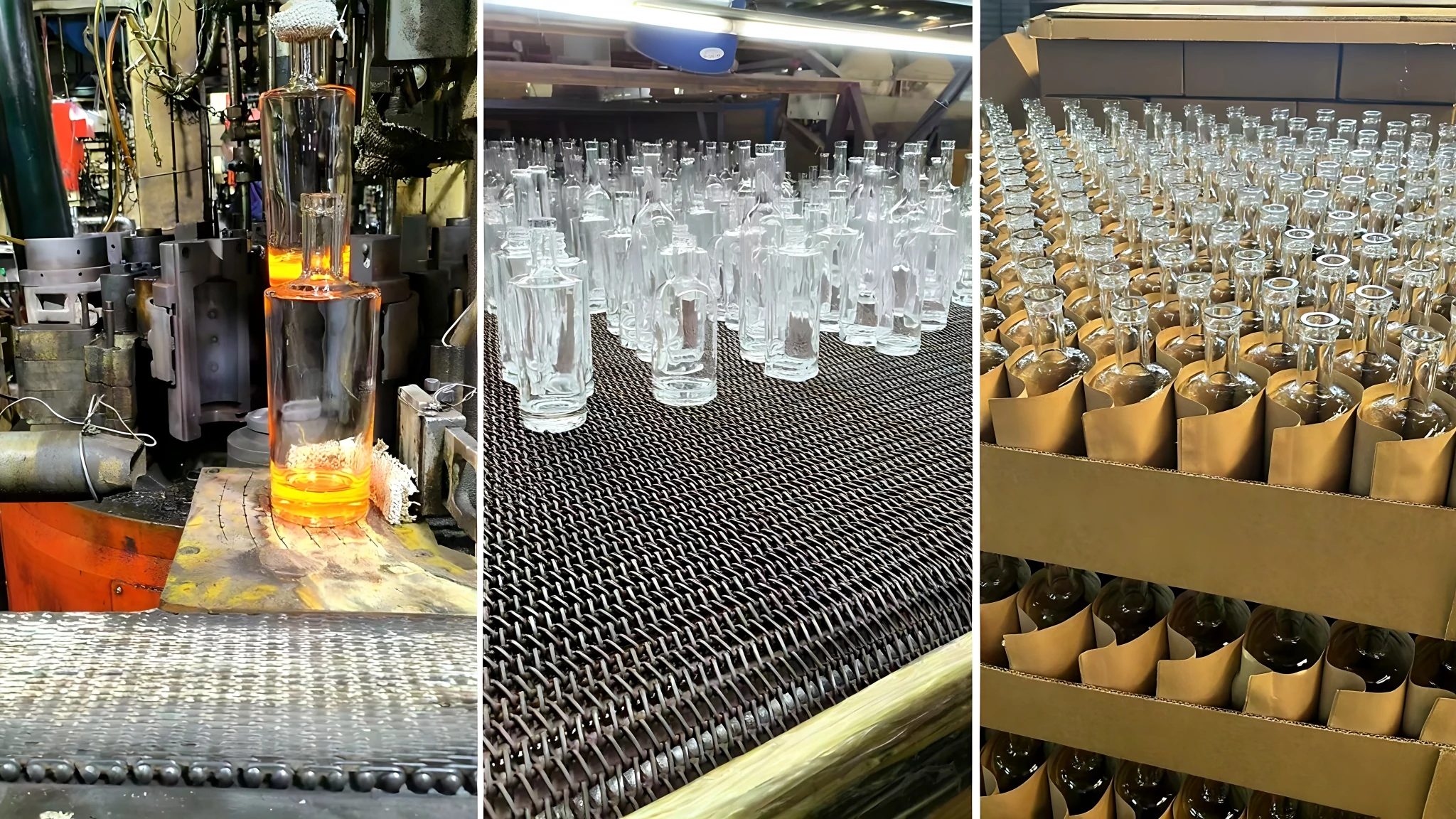
It is important to assess the production facilities at a spirits bottle manufacturer. There should be appropriate machinery available to allow for different styles of glass bottling. During your factory visit, enquire as to whether the factory produces its own goods or mainly imports them from elsewhere.
Carefully analyse the machinery and working environment. Check the factory’s glass melting, forming, and annealing equipment, as well as its quality inspection tools. These facilities can help you evaluate the manufacturer’s technical expertise and production capabilities.
In addition, ask about the factory’s daily production capacity. Production speed depends on the complexity of the bottle design. Simple bottles are usually faster to produce than more complicated designs, such as bottles with heavy bases. Make sure the manufacturer can meet both your current order requirements and your future production needs.
Furthermore, assess the manufacturer’s ability to manage smaller production runs, test runs and ongoing production. This is important for small artisan distilleries which may not require large volumes of bottles.
Assess o quality de glass bottles that your supplier can make
A professional Spirits Bottle Supplier should be able to explain its quality inspection procedures and provide clear product specifications. This helps buyers understand what to expect before placing a bulk order.
Initially examine the general aesthetic of the goods. Look for imperfections such as air bubbles, rock inclusions, cracks and uneven glass. Bottle sections to carefully analyse include the shoulder, body, base and neck – as these are key for both visual appeal and functionality.
Glass thickness can also affect the strength and uniformity of bottles. Furthermore, for premium spirit brands, glass weight and transparency can both affect consumer perception of a product.
Additionally, accurately measure a bottle. Key dimensions to assess are height, body girth, volume and neck and base size. Should your bottles utilise a particular type of stopper or bottling line, then these parameters will be of particular importance.
Ask the manufacturer how it undertakes quality assurance. A competent spirit bottle producer will have defined quality assurance protocols. Samples can also be requested from various production runs so that you can analyse the manufacturer’s production uniformity.
Customisation and moulds
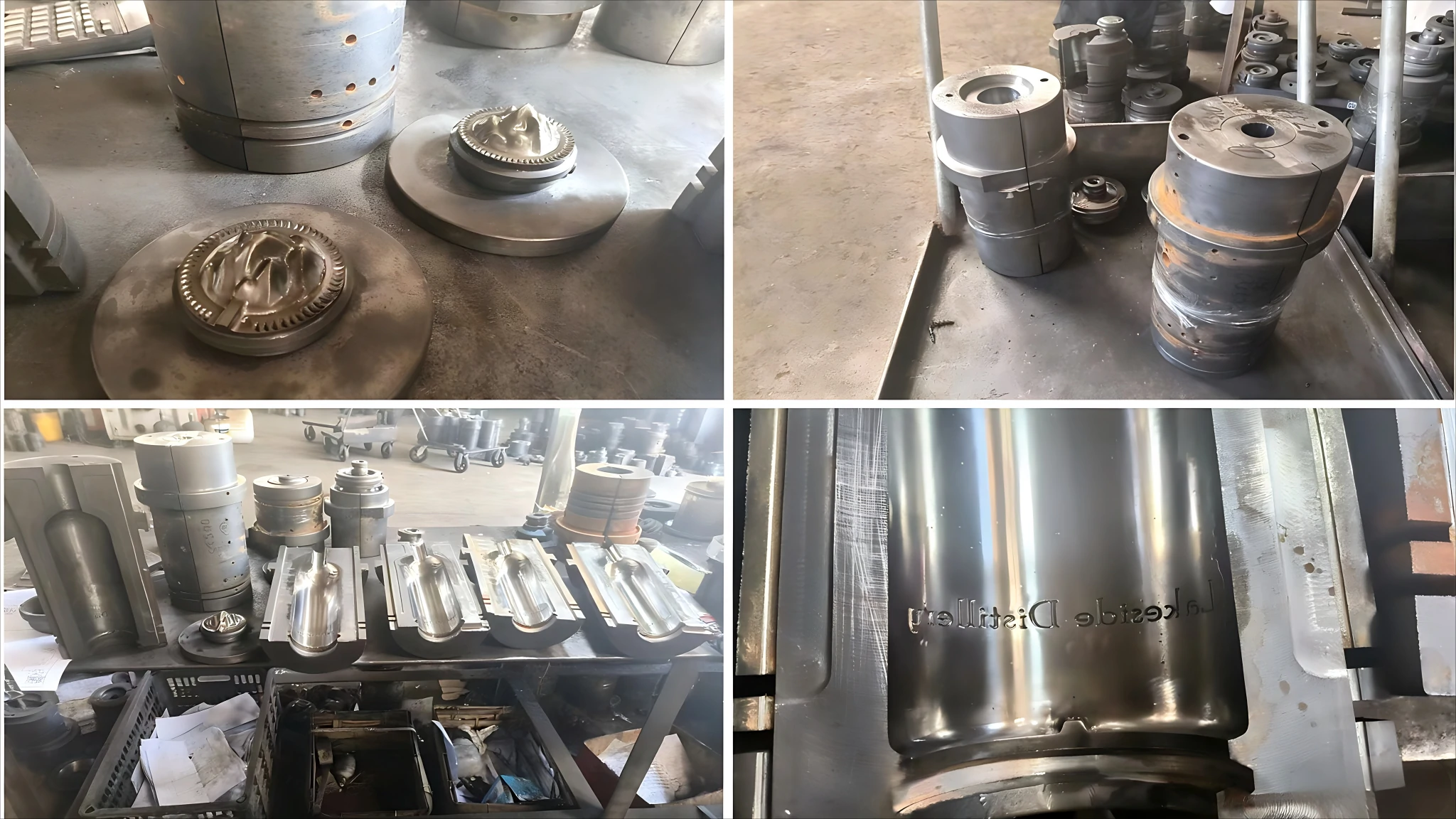
When choosing a Spirits Bottle Supplier for a custom project, check whether the factory has an experienced mold development team. This can make a significant difference in both product appearance and production efficiency.
During your factory visit, enquire whether the manufacturer has an in-house department for mould design. Present your design drawings, 3D modelling and/or samples to the manufacturer’s technical personnel. They should then be able to advise you as to whether your design is viable for glass production.
Whilst most designs can be translated into glass goods, some may prove difficult to produce. For example, very intricate bottle shoulders, deep incisions and/or abrupt design changes can present production challenges. Manufacturers’ engineers should be able to propose modifications to your design which maintain its visual appeal.
Furthermore, enquire regarding mould costs and ownership. Cover topics such as mould design fees, production timeframes, mould life expectancy and maintenance procedures. Establish whether the mould is solely for your brand.
Always request a test or sample run of your customised bottles. This will enable you to further analyse a bottle’s proportions, weight and volume together with its visual appeal. Alterations to a design can typically be more easily implemented at this stage.
Glass and colour options
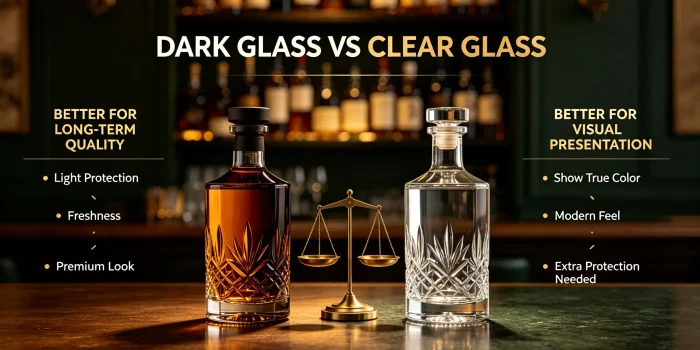
Glass type can affect both the visual appeal and functionality of bottles. Should you be formulating premium spirit packaging, you may wish to investigate with a manufacturer whether super flint glass can be utilised. This is frequently favoured for its clarity and aesthetic properties.
Request information from the manufacturer as to the glass types it can supply. Popular glass varieties include flint, extra flint, super flint and amber. The most appropriate glass type will depend on your brand, product and financial considerations.
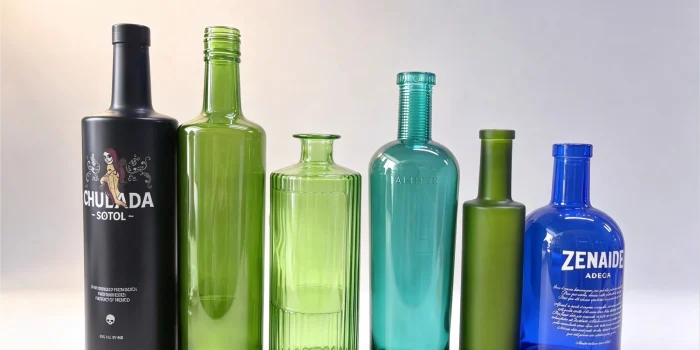
Colour uniformity is also key. Should you require bottles of a specific glass colour, ask how the manufacturer ensures consistent colouration across production runs. This is especially pertinent if you intend to place ongoing orders for several years.
If environmental concerns are integral to your packaging strategy, then enquire as to the proportion of recycled glass which can be incorporated. In addition, ask the manufacturer whether it can supply pertinent information and documentation relating to its glass. Not all glass manufacturers will have the same glass provisions available.
Surface embellishment and finishing
Along with bottle design, you can add various decorative finishes to spirits bottles to make your brand stand out.
During your factory visit, ask the manufacturer which surface decoration techniques they offer. Common options include screen printing, frosting, hot stamping, labeling, and decal application. Some manufacturers also provide special finishes for premium and exclusive spirits bottles.
Manufacturers often use screen printing to apply logos and decorative patterns directly onto glass bottles. This technique creates a clean and professional appearance. However, the final result depends on the design, color selection, and production process.
You can also choose frosting to give your bottles a soft, matte appearance. Manufacturers can usually apply frosting to the entire bottle or specific areas, depending on your design requirements. Make sure you understand the differences between acid frosting and other frosting techniques before making your decision.
Manufacturers can use hot stamping to add metallic details to glass bottles. Gold and silver finishes are popular choices for premium spirits packaging. Ask the supplier to provide physical samples so you can compare the actual results and choose the finish that best suits your brand.
Quality assurance
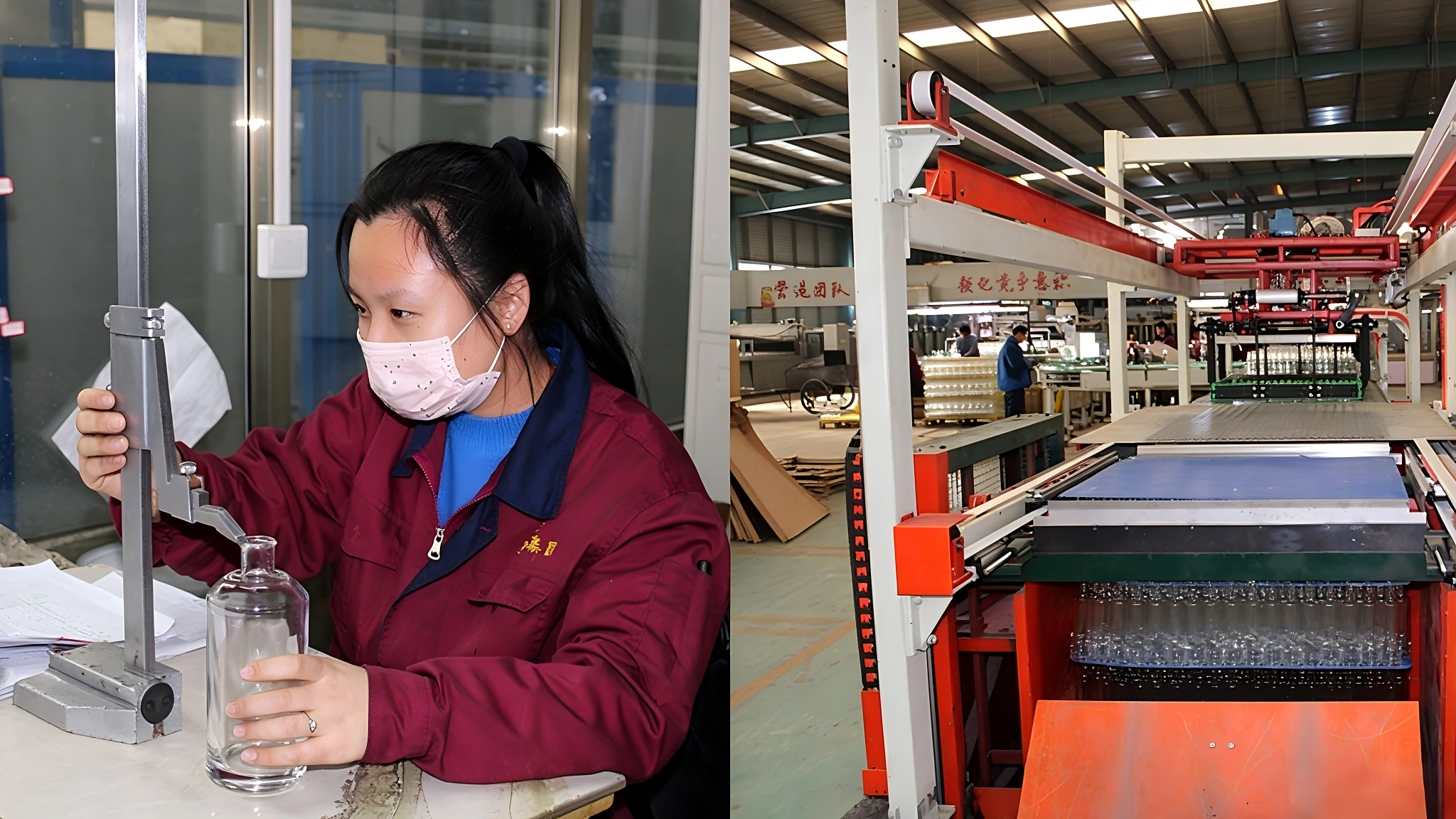
Whilst a manufacturer may deliver visually appealing samples, it is crucial that it can consistently produce high-quality goods. Thus, it is important to analyse a manufacturer’s quality assurance procedures.
Ascertain how the manufacturer analyses the quality of incoming raw materials. Furthermore, enquire as to how employees analyse the dimensions, weight and visual aspects, amongst other qualities, of produced bottles. Whilst visual analysis is often undertaken, a competent spirit bottle manufacturer will implement more structured quality assurance practices.
Also analyse the manufacturer’s approach to managing sub-standard goods. In addition, determine whether it maintains production and quality assurance records. Such information can assist in analysing the manufacturer’s accountability.
For customised bottles, establish with the manufacturer what constitutes the ‘approved sample’. This should thereafter act as the quality benchmark for production. Both parties should formally record agreed quality standards.
If your bottles have particular requirements, pre-arrange analysis techniques which are relevant to these. Applicable tests can encompass dimension analysis together with heat shock, impact and/or other analyses. The precise analytical methods should be tailored to both your product and bottling requirements.
Production timeframes and Order Management
Production timeframes can significantly influence when you are able to introduce new goods to market. Although low quotation costs may initially appear favourable, late deliveries can cause far greater issues for your business.
During your factory visit, enquire as to the timeframes for mould design, sample approval, mass production, embellishment and quality assurance together with packing. Ensure that these timeframes are realistic.
Further, analyse the manufacturer’s present production workload. Ask the manufacturer whether they will produce your order on a dedicated production line or share production capacity with other customers. Particularly during busy periods, this can be of significant importance.
For ongoing orders, analyse how the manufacturer manages its order planning. Where a brand intends to continue to purchase goods, having a steady supply arrangement can be highly beneficial. Moreover, ensure that the manufacturer can swiftly convey production related information to you.
Packaging and international shipping expertise
Because glass is fragile, you must use high-quality packaging to protect the bottles. Even well-made bottles can break during transportation if you do not pack them properly.
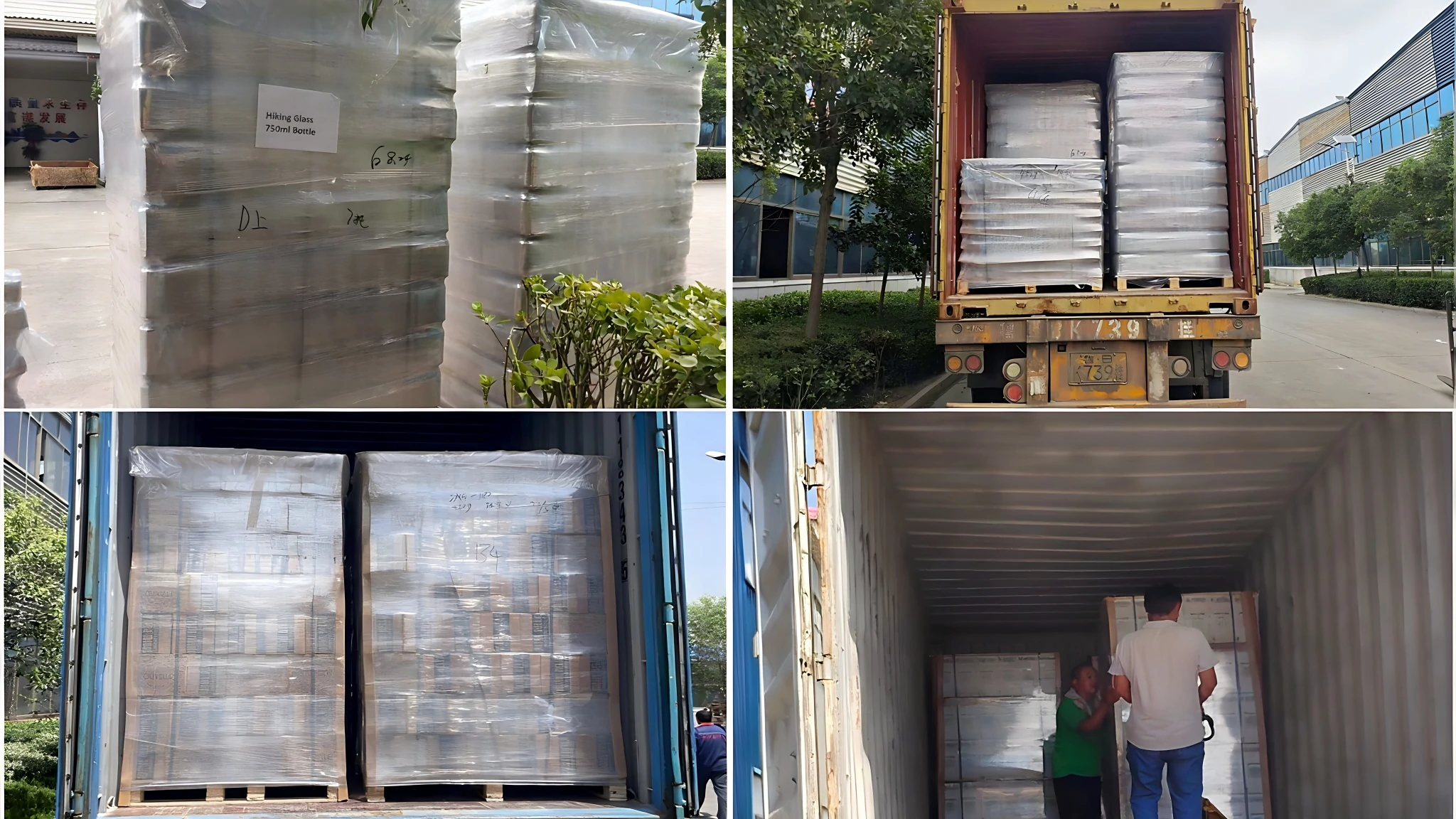
Request to view the manufacturer’s standard export packaging. Typical packaging options consist of cartons, pallets and separating and protecting items. Ensure that bottles are suitably spaced within packaging in order to limit contact and hence minimise damage.
Should you be exporting full containers of bottles, analyse the manufacturer’s container loading methodology. The manufacturer should know how best to optimally use container space and also ensure that the loaded weight remains within safe limits. Such an analysis can additionally enable you to more accurately establish the final export volume.
International shipping expertise can also be highly advantageous. Investigate whether the manufacturer frequently exports to your country or region. Understanding of relevant export documentation, customs and shipping provisions can facilitate collaboration.
Clarify who within the manufacturer will be responsible for organising transport, compiling export documentation and managing claims for damaged goods. Such roles should be defined prior to order confirmation.
Communication and customer service
Whilst often under-recognised, good communication can greatly influence the collaborative relationship between a manufacturer and client.
During your factory visit, analyse how the manufacturer’s sales and technical personnel address your queries. Do they comprehend your product requirements? Can they lucidly convey technical information? Are they prepared to explore potential solutions to issues?
Although a manufacturer should endeavour to comply with your requests, sometimes a proposed design will not be ideal for production. Experienced manufacturers should thus be able to advise you of potential issues and suggest viable design amendments.
Continuingly analyse the manufacturer’s communications methods post-factory visit. Identify who will serve as your primary point of contact and ascertain how production updates will be conveyed. Good communication can avoid misinterpretations concerning product specifications, timing and quality.
For international purchasers, good English language skills are also of benefit. Yet, alongside – if not more than – proficient English, strong technical knowledge and problem solving skills are even more important.
Assessing quotations
Whilst cost is invariably an important consideration, basing spirit bottling procurement purely on the lowest quotation can be unwise.
Ensure that all suppliers provide quotations for identical goods. These should cover volume, weight, glass type, colour, neck treatment, embellishment, packaging and order quantity.
Enquire as to whether the quotation encompasses mould and embellishment charges and/or packaging costs. Although a manufacturer may supply bottles at a competitively priced rate, it may levy separate charges for embellishment and/or packaging.
Furthermore, analyse the manufacturer’s payment policy. Ask the supplier about the required deposit, the schedule for the remaining payments, and the accepted payment methods. For customised goods, clarify the manufacturer’s procedure for situations where neither the approved sample nor mass-produced bottles conform to previously agreed quality standards.
Ultimately, analyse the total cost of importing goods. Inaddition to bottle, packaging and transport expenditures, this will involve import duty and other import related costs. Even if a manufacturer’s bottle quotation is marginally higher than another’s, it may still offer superior value for money if it can also reliably guarantee both quality and delivery timeframes.
Checklist
Having pre-defined areas for analysis will enhance the value of a factory visit. Ahead of your journey to China, compile a list detailing your requirements and bring along relevant design and/or sample information.
Consider asking the following questions of a manufacturer:
- Does the manufacturer itself produce glass bottles?
- Which types of spirit bottles can it produce?
- Can it supply super flint or extra flint glass?
- Can it undertake customisation and mould design?
- What surface embellishment techniques are available?
- What is the minimum order quantity?
- How does it conduct quality assurance?
- What is usual production time?
- What export packaging options are available?
- Can it supply samples and references?
- What payment methods does it employ? Who owns moulds?
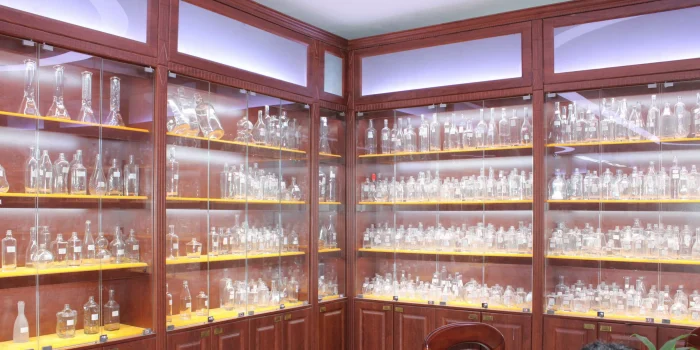
With the manufacturer’s permission, photograph the factory, machinery, samples and packaging. Such visual resources will be highly valuable for comparing different manufacturers.
Conclusion – Identifying a long-term production partner
Undertaking a factory visit is a key element of establishing a trustworthy supply chain. It enables you to analyse a manufacturer’s operations and quality, and to communicate directly with those involved in production.
Alongside examining quotations and display samples, it is important to effectively analyse a manufacturer’s technical, quality assurance, production and export expertise together with its communication methods. All of these areas will in turn influence your future procurement decisions.
At Hiking Glass, we appreciate that differing spirits brands have differing packaging requirements. Whether you need standard liquor bottles or custom glass bottles, our team can discuss your requirements and provide practical solutions tailored to your project.
If you are seeking a trustworthy spirit bottle manufacturer in China, please contact us so that we can discuss your forthcoming packaging project.
Perguntas frequentes
1. How do I identify a trustworthy spirit bottle manufacturer in China?
Analyse a manufacturer’s production facilities, goods quality, customisation and export expertise. Wherever practicable, carry out a factory visit or request a video factory tour. Always analyse real production samples before committing to a substantial order.
2. What should I analyse When Visiting a glass bottle manufacturer?
Evaluate the manufacturer’s machinery and working environment, as well as its product quality, mold design capabilities, surface decoration techniques, and quality control procedures. Further areas for analysis include production timeframes, packaging and export expertise.
3. Can Chinese glass manufacturers produce customised spirit bottles?
Yes. Many Chinese glass manufacturers can customise bottles in relation to their form, volume, weight and colour together with surface embellishments. Generally, mould design and sample approval are necessary stages of the customisation process prior to mass production.
4. What is typically the minimum order quantity for custom glass spirit bottles?
This will depend on a variety of factors including bottle design, glass colour and production and manufacturer requirements. Usually, simpler bottles will have a lower minimum order quantity. Conversely, customised bottles typically necessitate higher order quantities. Request a quotation from the manufacturer for your specific project.
5. What is the difference between flint and super flint glass?
Manufacturers commonly use flint glass to produce clear glass bottles. Super flint glass offers higher transparency and a more premium appearance, making it a popular choice for high-end spirits packaging. The precise transparency properties will however depend on both the glass type and production methods utilised.
6. How long does it generally take Chinese glass manufacturers to produce custom glass spirit bottles?
The mold design, sample approval, production planning, and decoration processes will all affect the overall production timeline. Typically, new customisation projects require more time than ongoing customisation orders. Request a detailed production timeline from your manufacturer.
7. How can I reduce the risk of glass bottles getting damaged during transportation?
Select appropriate packaging for exporting, for example, cartons incorporating separators and/or adequately fastened pallets. Request that the manufacturer analyses its container loading methodology and utilise suitable protective items. Prior to exporting, agree on packaging and quality assurance protocols.
8. Why should I visit a spirit bottle manufacturer before ordering?
You can visit the factory to evaluate the manufacturer’s production facilities, product quality, and overall operations. It furthermore facilitates direct communication with a manufacturer. Such a visit can also provide a better understanding of whether a manufacturer can adequately sustain your long-term business requirements.
9. Does Hiking Glass produce customised glass spirit bottles?
Hiking Glass can formulate glass bottling solutions for spirit and distillery brands. Our team can discuss with you the desired bottle style, volume and glass colour together with mould design and surface embellishment requirements. Please contact us so that we can discuss your project and deliver a quotation.
Publicações relacionadas