
Top 5 Spirits Glass Bottle Manufacturers in China…
How to Test Closure Seal Performance for Rum Bottles (AQL Guide)
How to Test Closure Seal Performance for Rum Bottles (AQL Guide)
When you produce rum bottles, making sure the seal works well is very important. The closure seal stops the rum from leaking and keeps the drink fresh. To ensure good quality, it is necessary to test the closure seal carefully. In this guide, we will explain how to test closure seal performance for rum bottles using the AQL method. We will also talk about rum bottle caps and how companies like Hiking Glass help with quality control.
What Are Rum Bottle Caps and Why Seal Testing Matters?
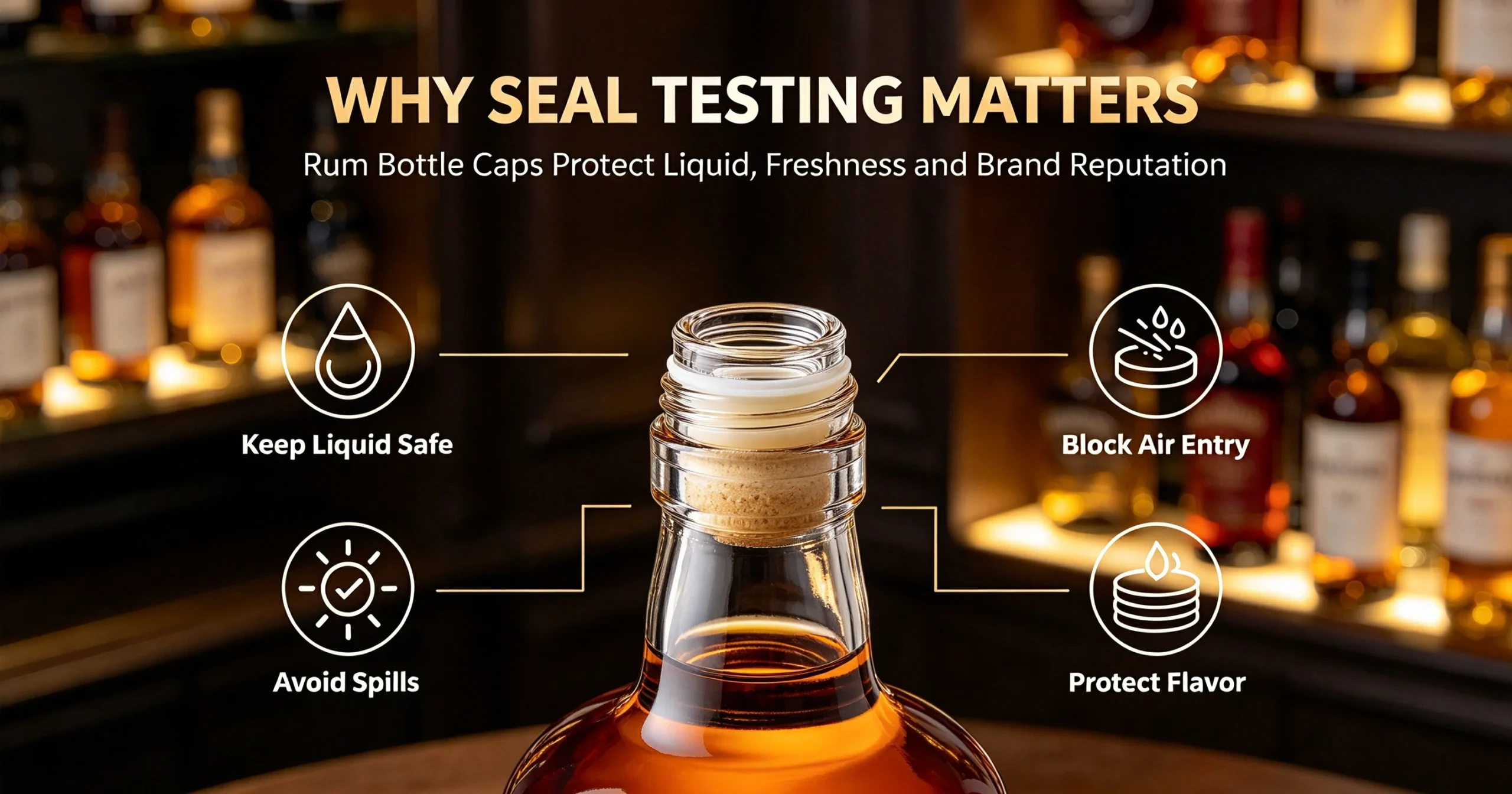
Rum bottle caps are the closures used to seal bottled rum. These caps keep the liquid inside safe, stop air from coming in, and avoid spills during transport. If the seal fails, the rum can leak or lose flavor over time.
Testing the closure seal helps prevent such problems. Good seals protect your brand reputation. They also make sure customers get fresh and quality rum every time. This is why producers need to test seal performance before bottling large orders.
What is AQL and How Does It Apply to Rum Bottle Caps?
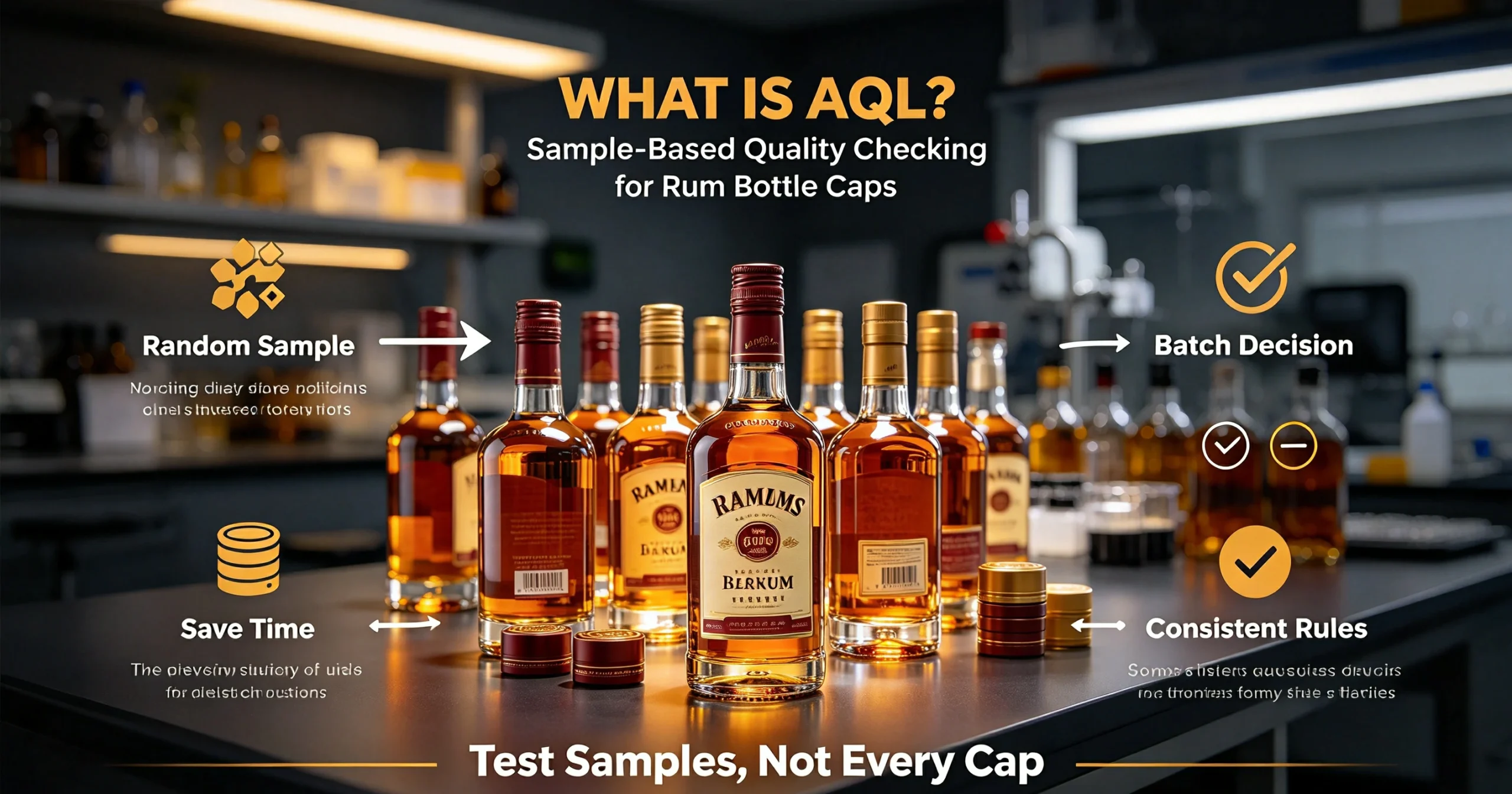
AQL means Acceptable Quality Level. It is a standard way to check a set of products in a batch to decide if they meet quality rules or not. You do not need to test every bottle cap, only a sample taken randomly.
For rum bottle caps, AQL testing helps find how many caps or seals might be bad in production. This saves time and money compared to checking everything one by one. If the problems found are more than the limit set by AQL, the whole batch may be rejected or need fixing.
Step 1: Prepare Samples for Testing Rum Bottle Caps
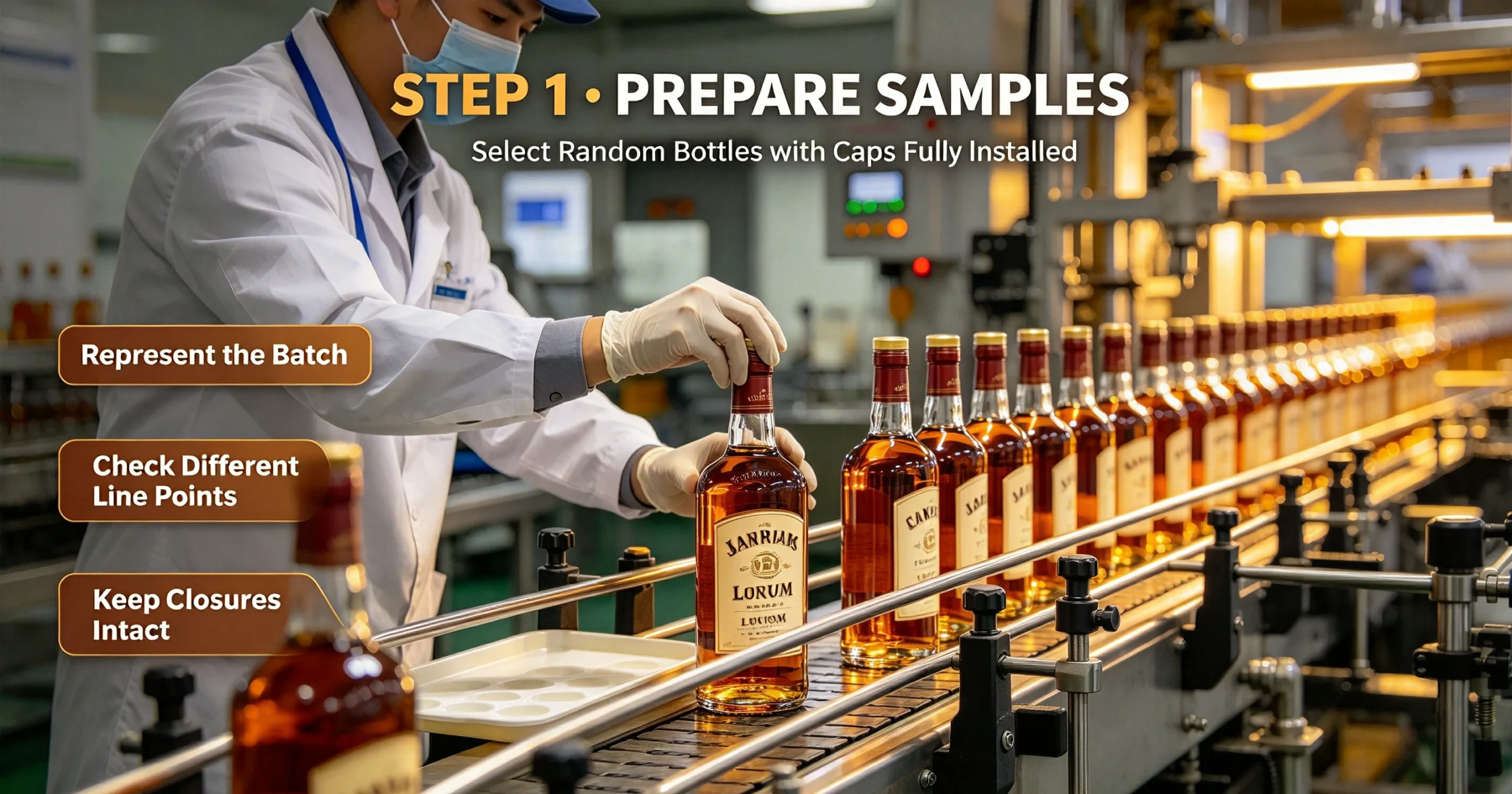
To start testing the closure seal performance for rum bottles, first select a random sample from your production lot. The size depends on total quantity and AQL standards used, but usually testing 20 to 50 caps gives good results.
Make sure the sampled rum bottles have the caps or closures fully installed, just like they would be for sale. Check that samples come from different parts of the production line to avoid bias.
Step 2: Perform Visual Inspection of Closure Seals
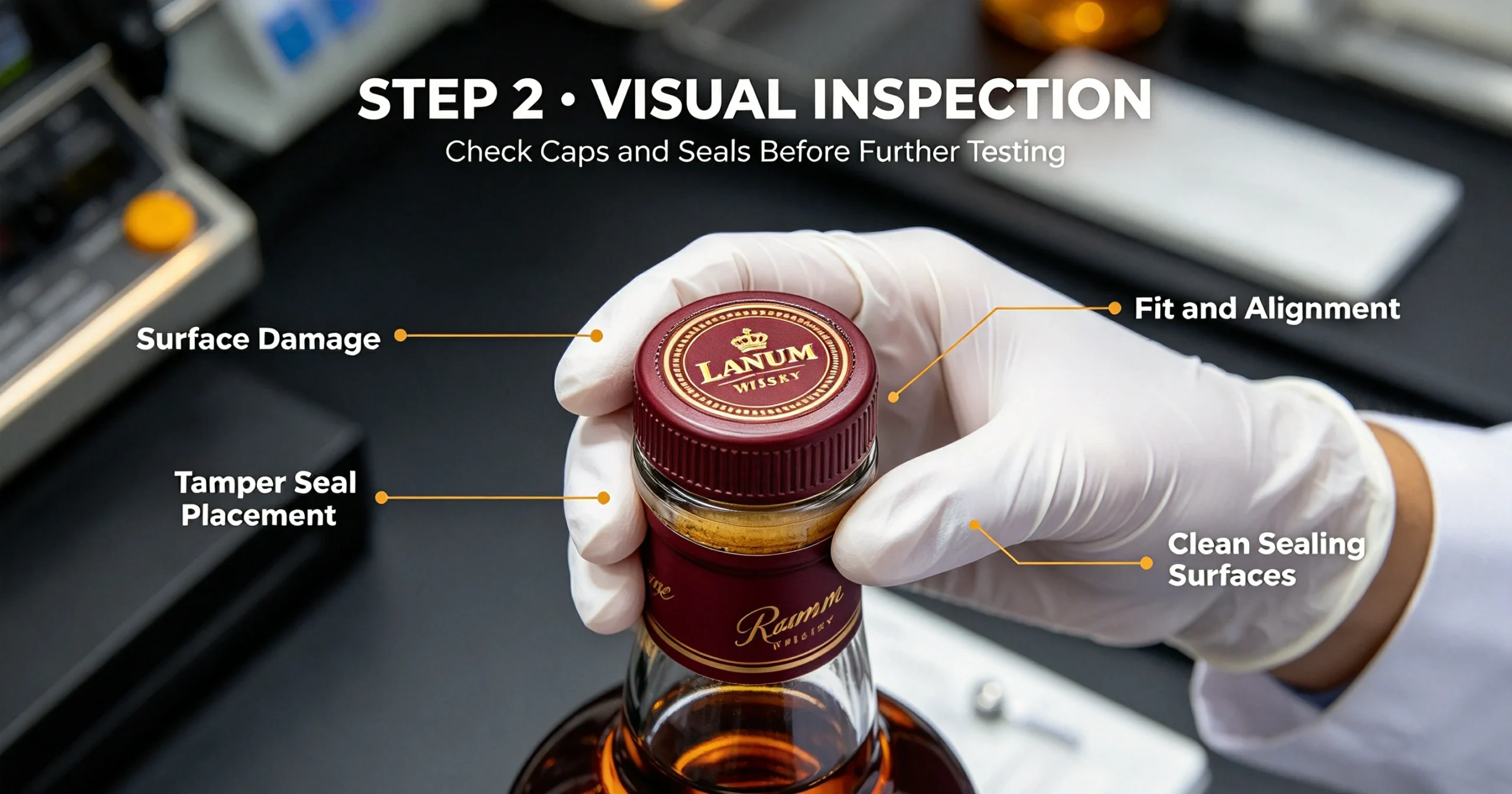
The first check is a simple visual inspection of the rum bottle caps and seals:
- Look for any damage or cracks in the cap surface.
- Ensure caps fit tightly and evenly on the bottle mouth.
- Check that tamper-evident seals or shrink bands are correctly placed if used.
- Confirm there is no dirt or foreign matter on sealing surfaces.
Visual defects can directly affect the sealing performance and spoil the appearance of your rum bottles.
Step 3: Conduct Leak Testing
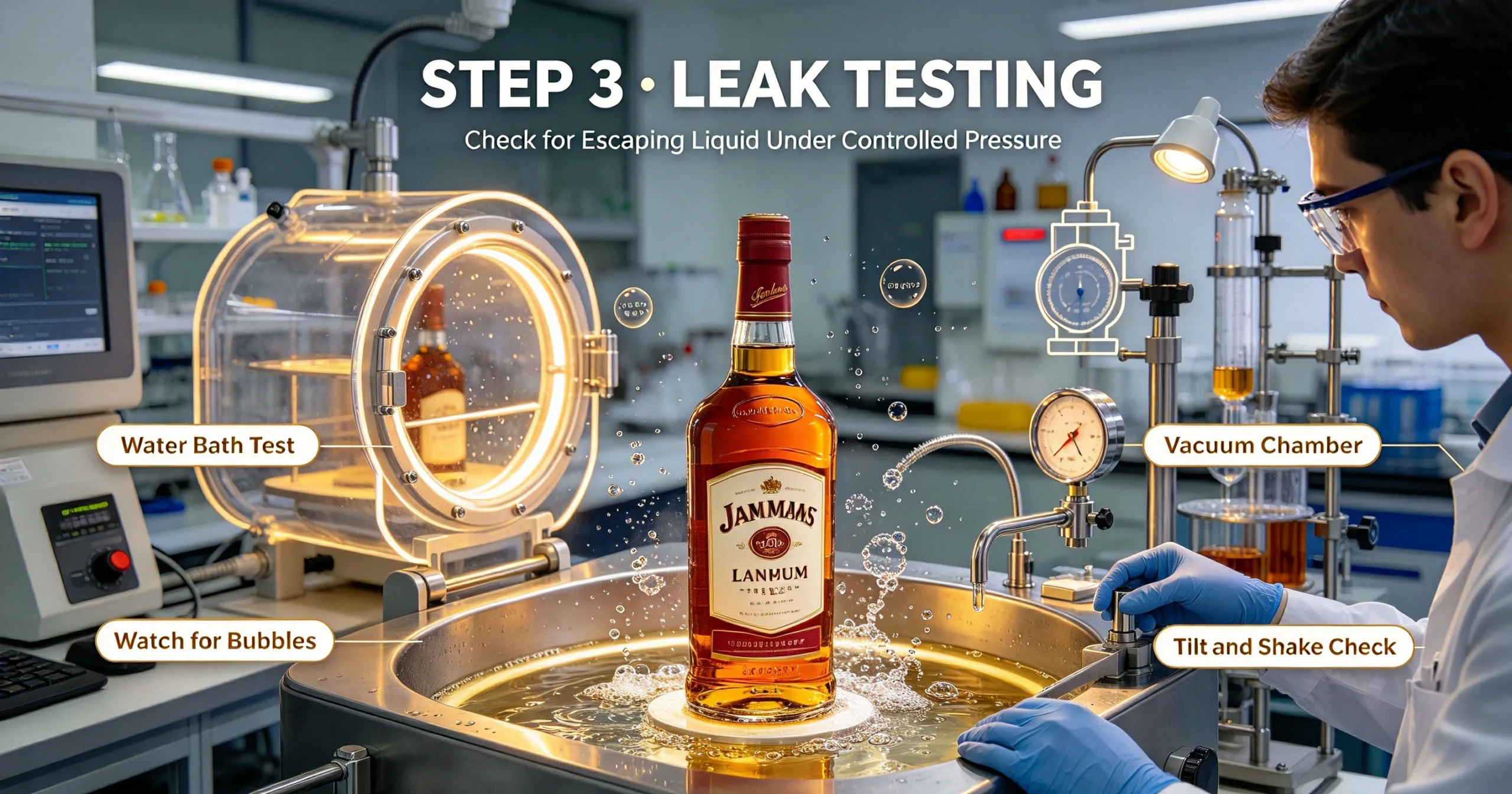
Next is leak testing to see if any rum escapes through the seal under pressure:
- Use a water bath test or vacuum chamber to apply pressure on filled rum bottles.
- Watch for bubbles or drops showing liquid leaks.
- Alternatively, tilt and shake the bottle after capping to check if liquid drips out.
Leak tests are the most practical way to check closure seal performance for rum bottles because failures here clearly mean the product is at risk during shipping or storage.
Step 4: Measure Torque Levels for Rum Bottle Caps
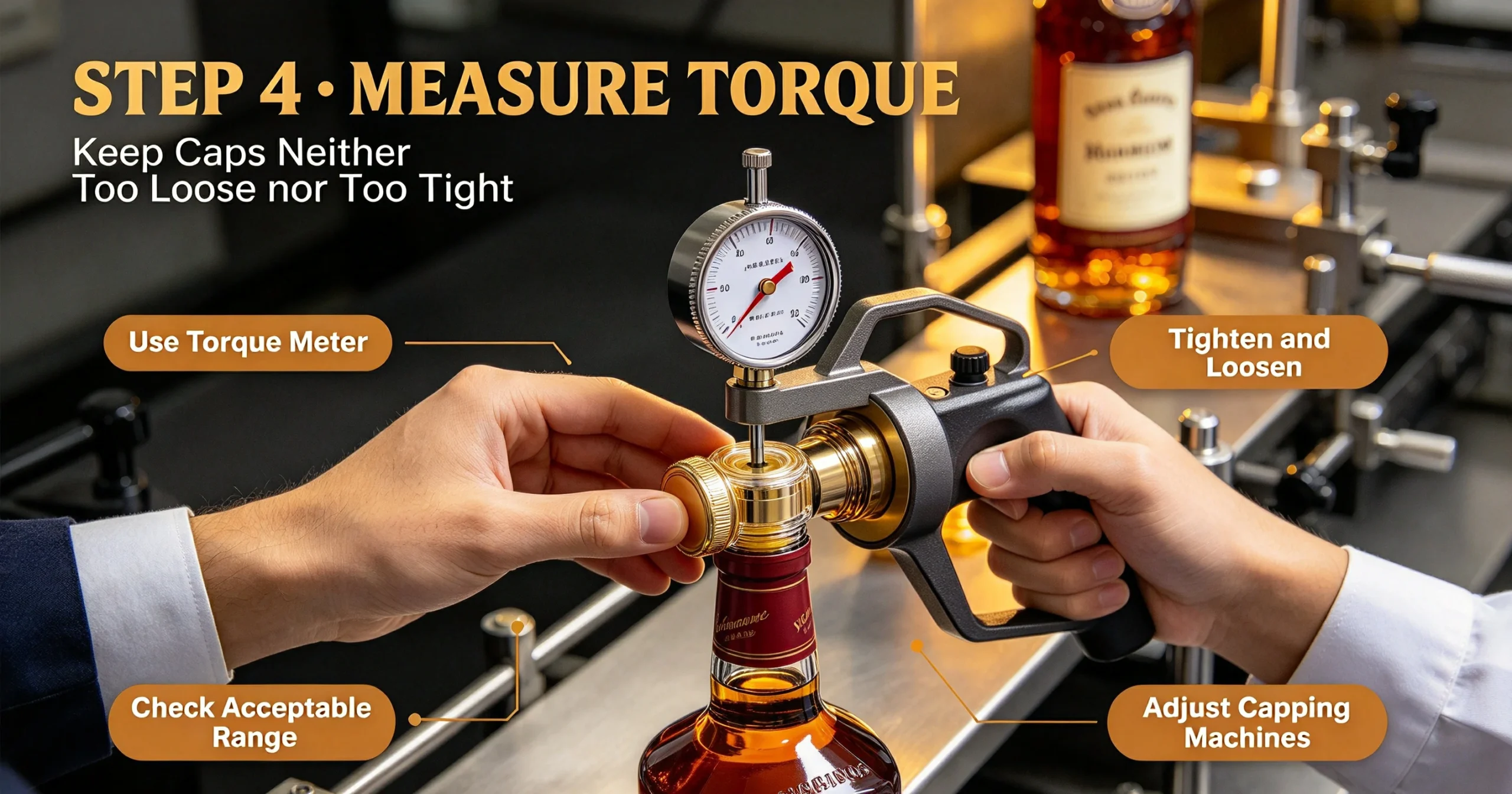
Another key test measures the torque, or tightness, of rum bottle caps. Proper torque ensures the cap is neither too loose nor too tight:
- Use a torque meter to tighten and loosen sample caps.
- Record if torque values fall within a pre-set acceptable range.
- Caps too loose may leak, while too tight caps may break seals or make opening hard.
Torque testing is very helpful for quality control teams to keep their bottling machines correctly adjusted.
Step 5: Perform Vacuum and Pressure Testing
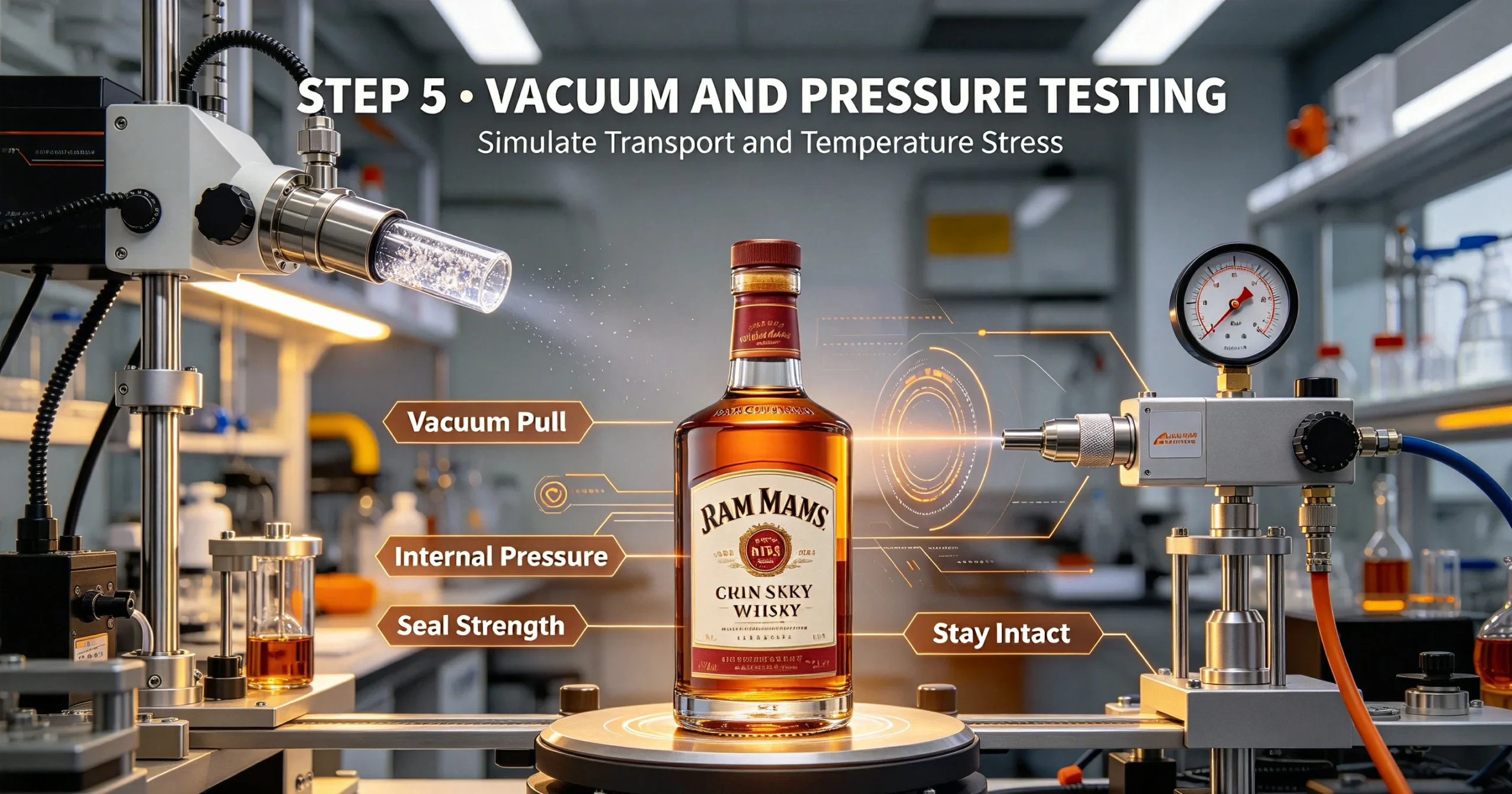
Some rum producers also do vacuum and pressure testing to check the integrity of closure seals:
- Vacuum testing pulls air out of the bottle to see if the cap holds.
- Pressure testing applies internal air pressure to test the seal strength.
Both tests simulate conditions during transport or temperature changes and show if the seal will remain intact.
Step 6: Use AQL to Evaluate Test Results
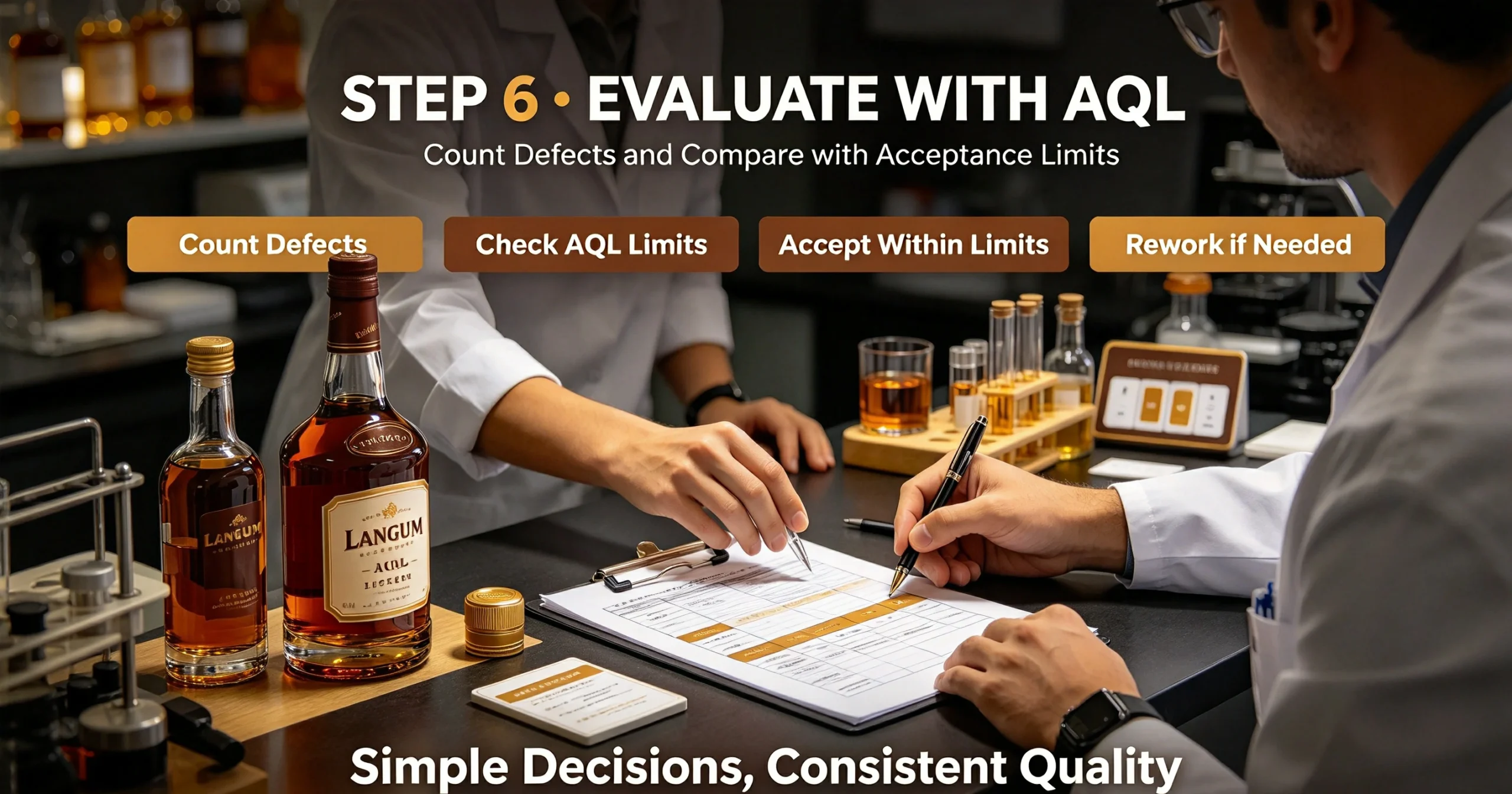
After completing inspections and tests on your rum bottle caps, apply the AQL guideline to judge the batch quality:
- Count the number of defective caps found in all tests.
- Compare defects against the AQL limits for the chosen sampling plan.
- If defects are within limits, accept the batch.
- If defects exceed limits, reject the batch or request rework.
Using AQL simplifies decision-making and helps maintain consistent quality without over-testing.
How Hiking Glass Supports Reliable Closure Sealing
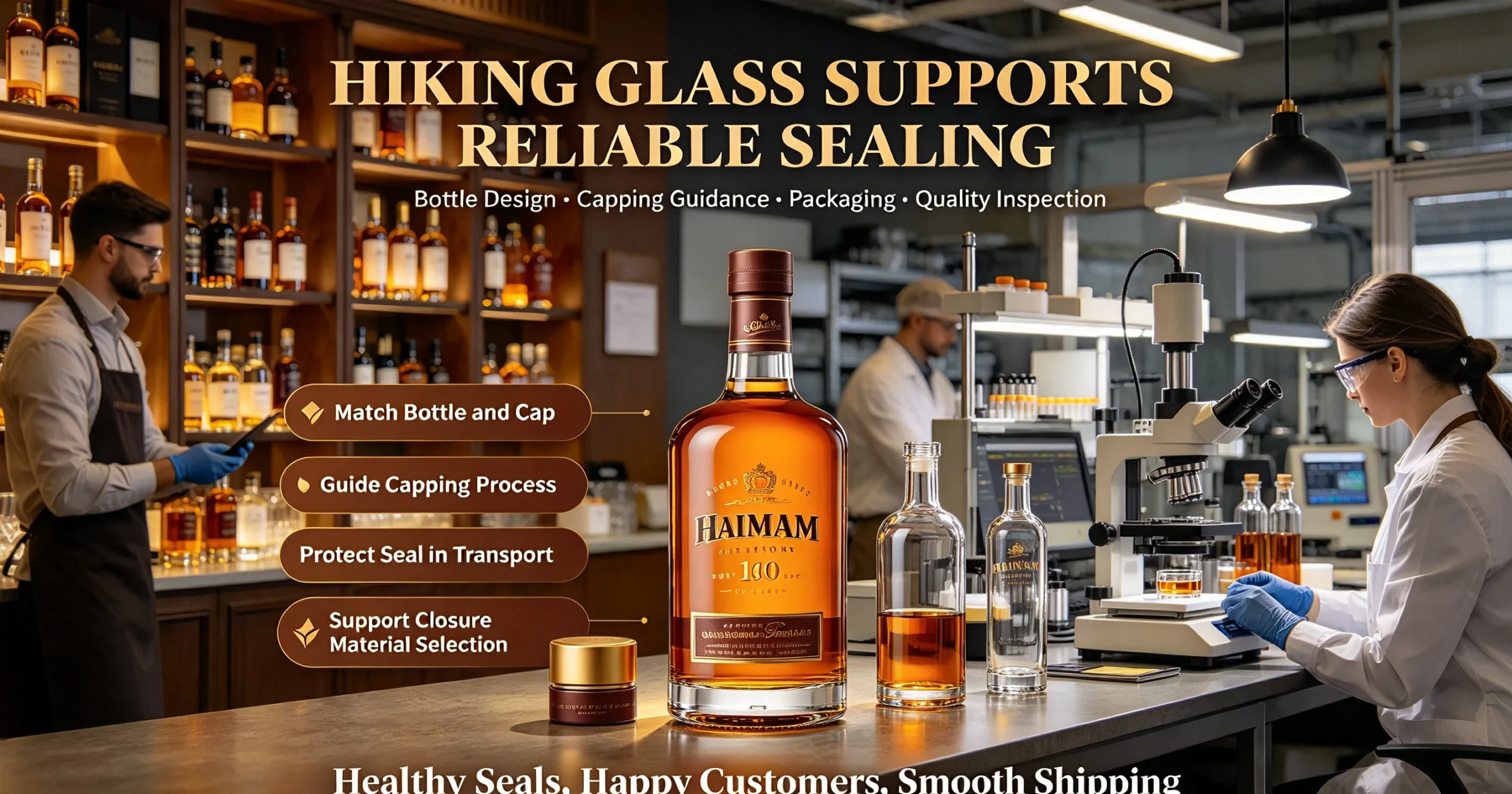
Leading glass suppliers like Hiking Glass understand the importance of strong closure seals for rum bottles. They cooperate closely with bottlers to ensure quality at every step:
- Providing bottles designed to match specific rum bottle caps perfectly.
- Offering guidance on proper capping and sealing processes.
- Assisting with packaging solutions that protect seals during transport.
- Supporting quality inspections and helping select reliable closure materials.
By partnering with manufacturers like Hiking Glass, rum producers improve their bottle sealing quality and customer satisfaction.
Conclusion
Testing closure seal performance for rum bottles is a crucial step in producing high-quality spirits. Using simple tests like visual inspection, leak testing, torque measurement, and applying AQL standards, distilleries can avoid leaks and freshness loss. Trusted partners like Hiking Glass provide excellent bottles and support for ensuring strong seals with rum bottle caps.
Healthy seals lead to happy customers and smooth shipping. Always include closure testing in your quality plan to keep your rum products safe and premium.
Related Posts
Tall Slim Vodka Bottle Labels: Best Shapes and…
Supplier Vs Manufacturer: Which One Should a Rum…